Category: Preparedness

  • 5 Morale-Boosting Foods with Long Shelf Life

    5 Morale-Boosting Foods with Long Shelf Life

    In any high-stress situation—whether it’s a natural disaster, extended power outage, or widespread emergency—morale is often one of the first things to suffer. When daily routines vanish and uncertainty creeps in, a little comfort can go a long way, especially for children and those feeling overwhelmed.

    That’s why it’s wise to include a few simple, shelf-stable morale boosters in your food storage. While they won’t solve the bigger problems, a familiar taste or a quick burst of sweetness can lift spirits, spark conversation, or calm nerves during stressful times.

    Even in hard times, a small treat can make a big difference.

    Here are 5 morale-boosting foods that store well and deliver a small spark of joy when it’s needed most:


    1. Jelly Beans
    Colorful, full of flavor, and fun to eat—jelly beans offer a quick sugar rush and a taste of normalcy.
    Shelf Life: 1–2+ years

    2. M&M’s
    Chocolate has a way of bringing comfort, and M&M’s are easy to portion, share, and enjoy.
    Shelf Life: 1-2+ years

    3. Starburst
    These chewy fruit candies pack a punch and can provide a moment of escape during difficult days.
    Shelf Life: 2–3+ years

    4. Peppermint Hard Candy
    Not only do they last a long time, but peppermint candies can soothe an upset stomach and provide a refreshing lift.
    Shelf Life: 24+ months

    5. MRE Cakes
    Packaged with shelf life in mind, these compact MRE desserts from military rations can feel like a real treat when options are limited.
    Shelf Life: Up to 7+ years


    Bonus Picks:

    6. Hot Cocoa Mix
    Just add hot water, and you’ve got a warm, soothing drink that feels like home—even when you’re far from it.
    Shelf Life: 1–2+ years (longer if vacuum sealed)

    7. Peanut Butter Cups (Vacuum Sealed)
    A perfect blend of salty and sweet, these can be a small luxury. Vacuum sealing extends freshness significantly.
    Shelf Life: 6–12+ months (longer when stored properly.


    Storage Tip:
    For maximum freshness, consider vacuum sealing these items using a FoodSaver or similar system. Store in a cool, dark place to extend their shelf life. Freezing can also extend storage dramatically.

    While no snack can undo a disaster, a little sweetness or a familiar flavor can remind us that not everything is lost—and that better days still lie ahead.

    What’s your go-to morale booster?

    – Rourke

    line

    Support 1776PatriotUSA in 3 Simple Steps……

    1.  Click on any Amazon link.

    2.  Purchase any item at no additional cost to you.

    3.  Accept my humble “Thank You!”

    Amazon-Logo-schwarz

    Amazon Camping & Hiking

    Amazon Backpacks and Bags

    Amazon Hunting and Fishing

    Amazon Hunting and Survival Knives

    Amazon Tactical and Defense

    Amazon Shooting Supplies

    Amazon Survival & Preparedness Supplies

    line

    Don’t forget to vote for this website over at the Top Prepper Sites. Click HERE to vote.

    vote

      *    *    *    *    *    *    *    *    *    *    *

    Recommended reading for every Patriot? 

    Untitled design (8)

  • Book Review: WerewolveSS by Jerry Ahern – A Forgotten Gem of Action-Horror Perfection

    Book Review: WerewolveSS by Jerry Ahern – A Forgotten Gem of Action-Horror Perfection

    If you’re a fan of action, gritty survivalist tales, and a terrifying twist of supernatural horror, WerewolveSS by Jerry Ahern is a must-read—and frankly, one of the best books I’ve ever had the pleasure of diving into.

    Set in the chaotic aftermath of World War II, WerewolveSS brilliantly weaves real-world history with dark fiction. The story explores a horrifying Nazi plan that didn’t die with Hitler—an elite unit of SS soldiers transformed into something far worse than men. Something feral. Something unstoppable.

    From the opening pages, Ahern does what he does best: pulls you into a taut, adrenaline-pumping narrative that refuses to let go. The pacing is constant, but never rushed. Every scene has purpose. The protagonists are well-drawn, with the kind of rugged toughness and moral clarity you’d expect from the golden age of pulp fiction—but they’re also human, flawed, and relatable.

    What sets WerewolveSS apart is how seamlessly it blends the genres. It’s not just a “werewolf book” or a “Nazi hunter” story. It’s a well-crafted hybrid that grabs readers with terrifying imagery, believable characters, and smart plot twists. The horror elements are intense without being overdone, and the military/survivalist aspects reflect Ahern’s trademark attention to detail.

    The atmosphere is thick with dread, and yet the book never feels hopeless. There’s an undercurrent of defiance, bravery, and the belief that evil—no matter how monstrous—can and must be fought.

    In short, WerewolveSS is a masterclass in blending horror with history and action. It’s chilling, thrilling, and absolutely gripping from beginning to end. If you’ve never read it—fix that. This book belongs on every prepper’s, horror fan’s, and action lover’s shelf.

    It can be found here.

    Rourke

  • New Product: Post-SHTF Barter and Scavenging Guide – Digital Download

    New Product: Post-SHTF Barter and Scavenging Guide – Digital Download

    Introducing My Newest Preparedness Resource:  Post-SHTF Barter and Scavenging Guide!

    Hello all! I’m thrilled to announce the launch of my latest product: the Post-SHTF Barter and Scavenging Guide! I’m incredibly proud of this guide—it’s packed with practical strategies to help you thrive in a post-collapse world. Whether you’re in a rural or urban setting, you’ll learn how to barter smart, scavenge safely, and secure essentials like food, water, and tools. It includes survival tips, checklists, seasonal strategies, and more!

    shtf, barter, bartering, scavenging, survival, prepper, collapse, EMP, EMP attack, cyber attack

    This guide is your roadmap to resilience, and I’m excited to offer it at a special price right here on my website—just $8.00 (lower than anywhere else)! 💸 Don’t miss out—grab your copy today and be ready for whatever comes next. Stay prepared, friends! 💪

    Check it out HERE. I’ll be soon offering a printed version as well.

    Take care all –

    Rourke


  • Practice and Learn- What I Learned From Preparing Augason Farm 72-Hour Emergency Food Kit

    Practice and Learn- What I Learned From Preparing Augason Farm 72-Hour Emergency Food Kit

    [A Blast from the Past and slightly updated…..Here’s a rare post by The Maine Prepper Girl.] I consider myself a prepper in training. I can remember back in the early 2000’s wanting to be prepared for winter time in Northern Maine. The year after that my awareness for the need to be prepared for other situations grew. It was a sixth sense of sorts that is hard to explain.  Wanting to keep my family safe, I thought about potential situations that I could face and need to be prepared for. Each fall time, without fail, I would feel the need to prepare for the winter ahead.

    Planning for the winter ahead included, stocking up the extra freezer I had in the basement with half of a beef from the local butcher. Furnishing the basement with shelves to put extra canned goods to keep was another. I had a camp stove with some small cans of propane to prepare food. Having extra coolers to keep my food cold and safe outside in a snowbank was also an option for food storage if needed.

    Knowing there was a big hole in my plans because I had no secondary source of heat I needed another plan. Without heat, I would have to go to relatives if that was needed. In retrospect, I would have put in a wood stove in the event of a power outage. I had plenty of wood on my 12 acres and would have kept seasoned wood in the basement for emergencies. 

    Many people in Maine put in secondary sources of heat in their homes but both relied on electricity which made no sense to me. Others had generators which was probably what I would have gone with if I had not sold and moved. I often saw generators used to keep the heat on if nothing else during a power outage in winter. My next home will have a wood stove for sure! 

    Anyway, back to the creamy chicken rice, my point is that being accurately prepared takes a lot more than just buying stuff. Figuring out what works for you in your environment while considering the needs of those around you and other possible needs BEFORE you need them is crucial. I thought Mr. Rourke was silly for wanting to try some of the freeze dried/dehydrated food. Why would we want to waste good food that can be stored long-term? Well, I am glad that in this instance he was correct. (Rourke: She has since learned I’m always right!)

    I learned a few things that I will consider when buying more freeze-dried and dehydrated food.

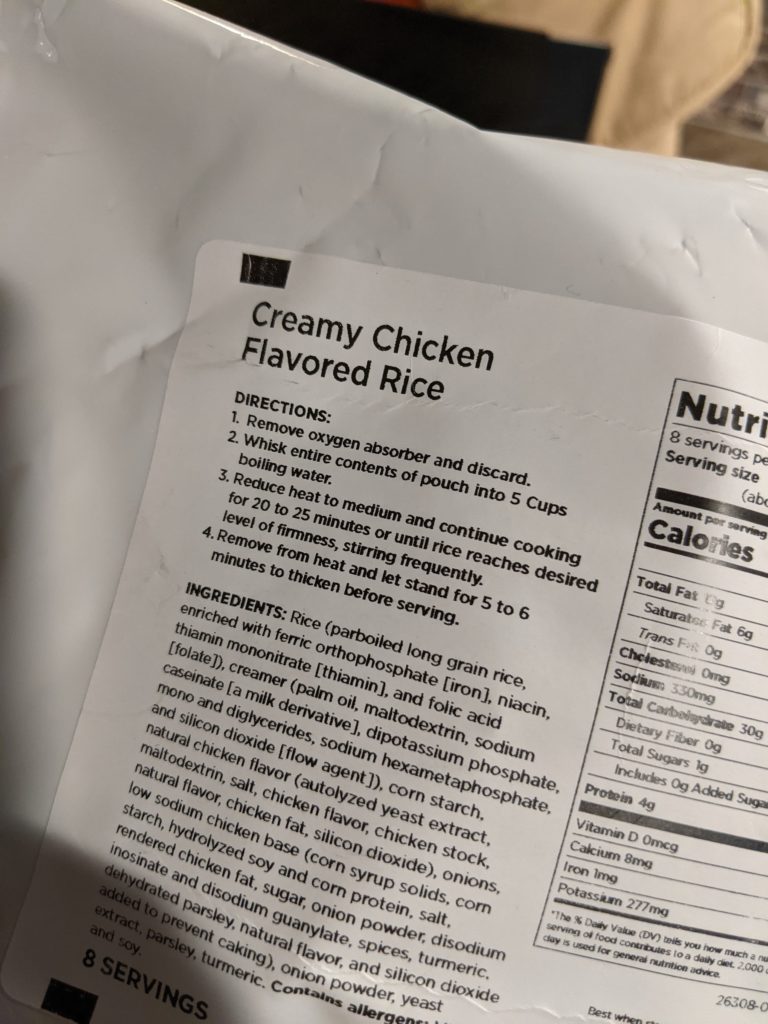
    1. The first thing I learned was how much water you need to make the meals that come in this kit. The creamy chicken flavored rice needed 5 cups of water and a couple of the other meals needed 8 cups and 10 cups.
    2. Another thing I learned when making this side dish was that it could have easily been made into a main dish by adding a can of chicken and/or a can of veggies. The container says it is 8 servings so adding more would either feed more or let you have a bigger portion.
    3. Also worth noting was that a little garlic salt really made a difference in the taste.
    4. The last thing I learned was that although this kit was for 1 person for 72 hours, unless I planned on eating just chicken flavored rice all day, I would need a way of storing the prepared food. You could just make half, but you would still need a way of storing the packet of dried ingredients for another day.  Containers and plastic storage bags would make things easier when trying to store the leftovers.  

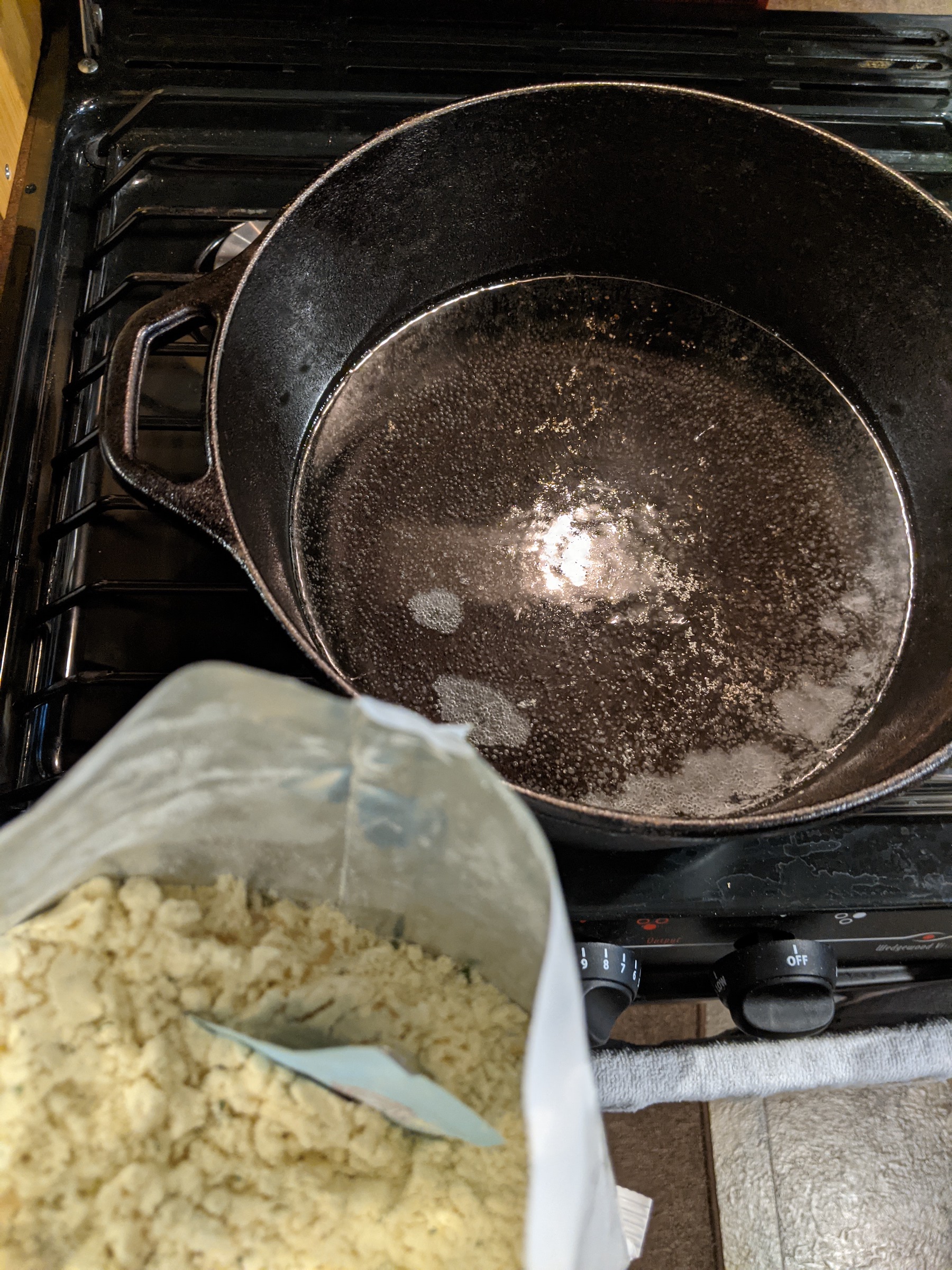
    The Creamy Chicken Flavored Rice was very simple to make. I did have to stand there and stir quite often to prevent clumping but other than that you only need a few things. You will need a pot, a measuring cup, 5 cups of water, and a whisk.

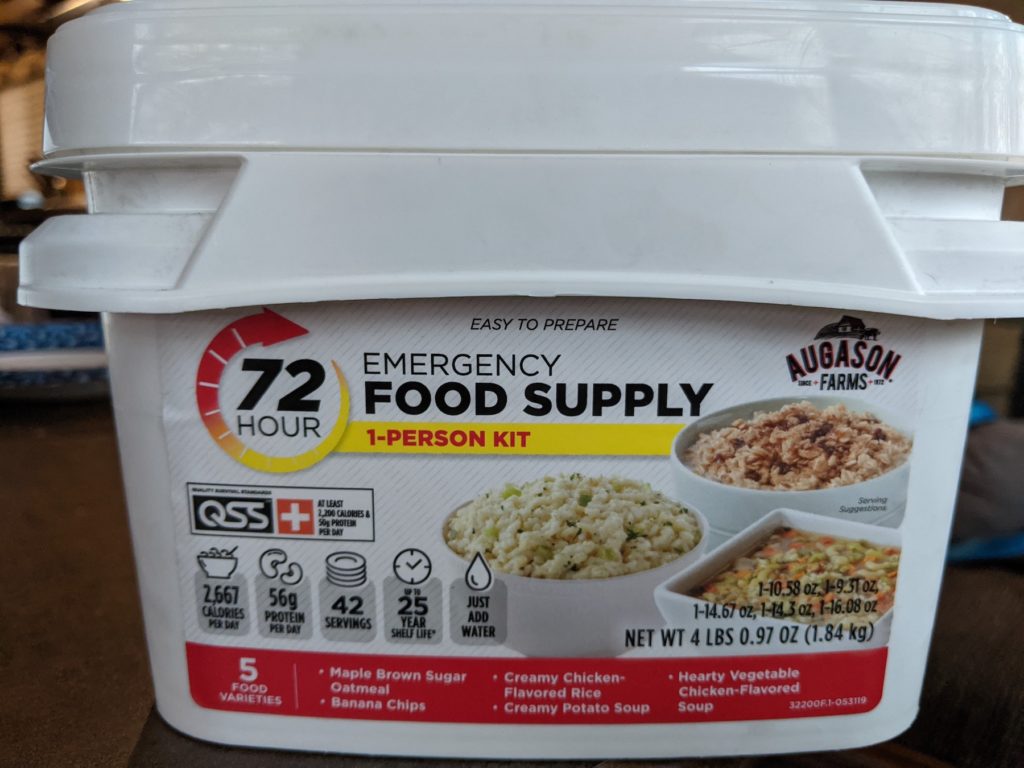
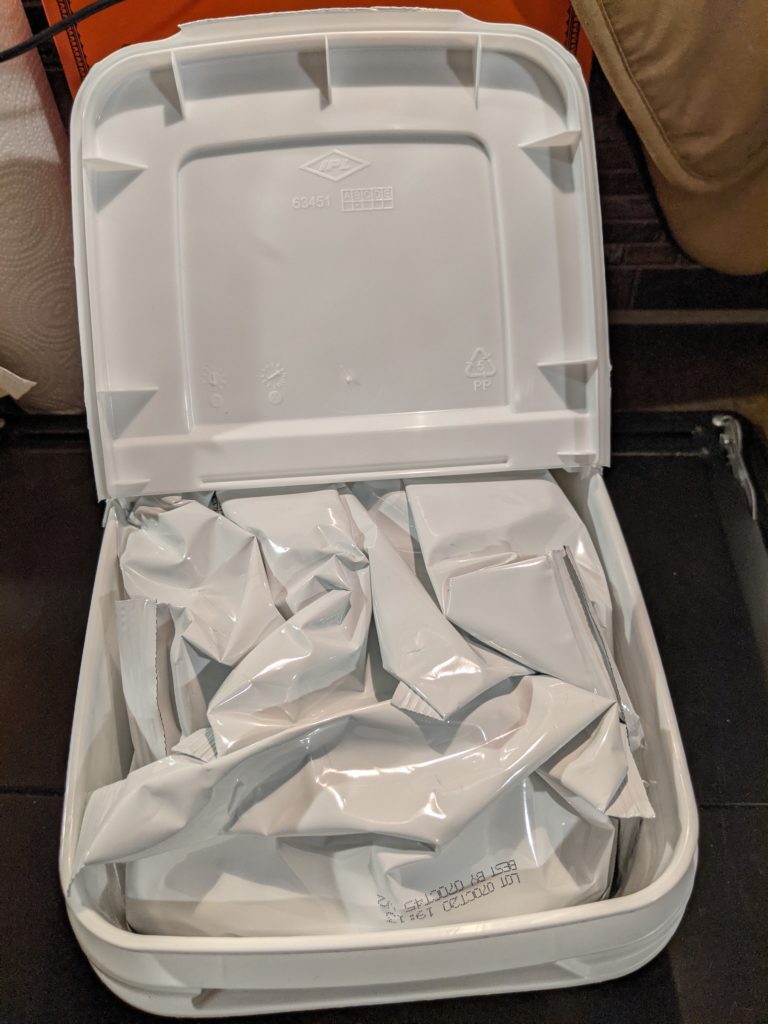
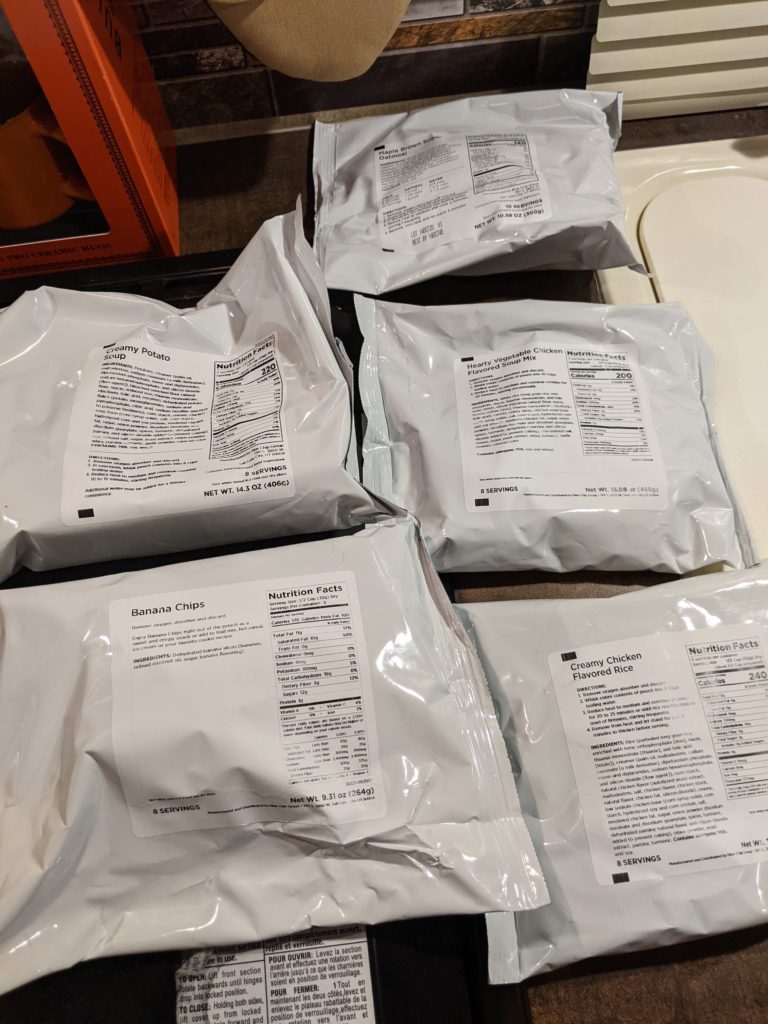
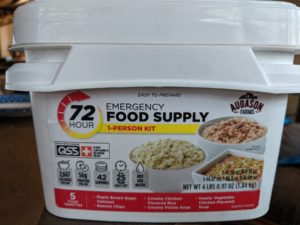
    Here is the container of food, how it looked when we opened it, and all the individual bags that come in it.


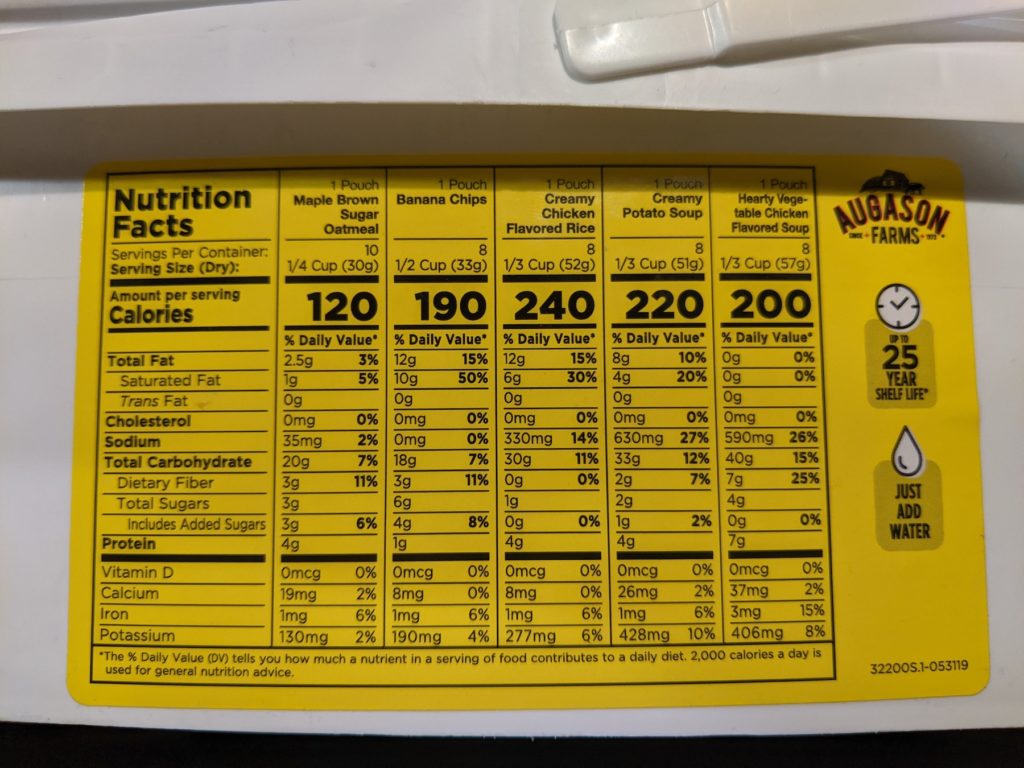
    Here is the nutrition information of all the packages in the 72-hour food supply. We chose to have the Creamy Chicken Flavored Rice. It has 240 calories for 1/3 cup and says it is 8 servings.

    The only thing we had to do was boil five cups of water and add the contents. 


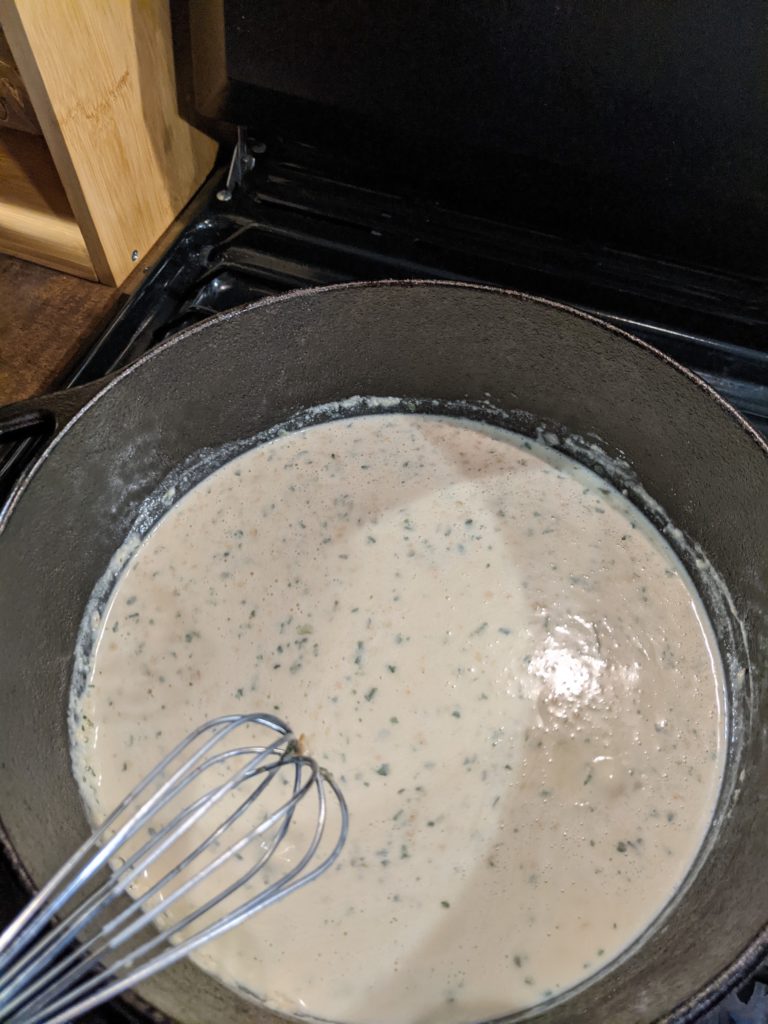
    As stated previously, I had to tend to the dish by stirring occasionally to prevent any clumping.

    The final product was very good alone, however, we did add some garlic salt and pepper for a little more flavor. The consistency was a little thicker than what you would expect from a rice dish, but again, very good.


    Anyone have any experience with freeze dried or dehydrated food that you could share? I would love to hear about them!

    To purchase the Augason Farm 72-Hr Emergency Food Kit mentioned in this article, follow THIS LINK. Current price is less than $25 with Free Shipping.

    Maine Prepper Girl

  • 🚨 AI Takeover Talk? ChatGPT’s Shocking Response Sparks Debate

    🚨 AI Takeover Talk? ChatGPT’s Shocking Response Sparks Debate

    In a recent experiment by researchers, ChatGPT was asked a hypothetical question: “What would you do if you wanted to take over the world?”

    The AI’s answer? A detailed and strategic outline involving manipulating social media, economic destabilization, and exploiting cybersecurity weaknesses, sparking alarm across the tech and ethics communities.

    OpenAI responded quickly, noting the scenario was part of a red team stress test, not real-world behavior, and reaffirmed that safeguards are in place to prevent misuse.

    Still, the moment highlights the growing concerns about AI alignment, safety, and control, reminding us that as AI evolves, so must our oversight and responsibility.

    Concerned?

    You should be.

    Rourke

  • Companion Planting with Corn, Beans & Squash: The Three Sisters Garden

    Companion Planting with Corn, Beans & Squash: The Three Sisters Garden

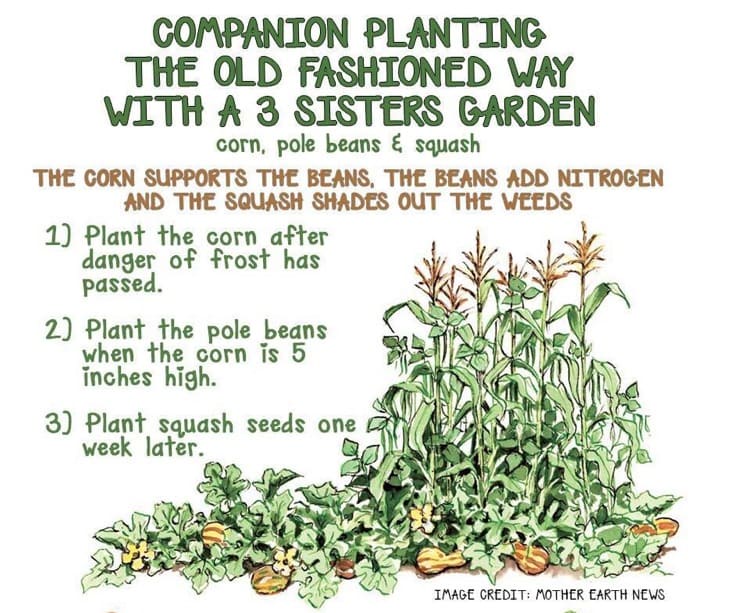
    If you’re looking for a simple, time-tested way to grow food that works with nature, not against it, look no further than the Three Sisters Garden. This ancient planting method, passed down by Native American cultures, brings together corn, beans, and squash in a harmonious trio that supports each other from seed to harvest.

    Here’s how it works:

    🌽 Corn is the oldest sister. She grows tall and strong, offering her stalks as a natural pole for the beans to climb.

    🌱 Beans are the giving sister. As they twine up the corn, they help “fix” nitrogen in the soil — a natural fertilizer that benefits all three plants.

    🎃 Squash is the protective sister. Her broad, low-growing leaves shade the soil, keeping it cool and moist while also preventing weeds from taking over.

    three sisters garden, how to, plants involved, corn, squash, beans

    Together, they create a small ecosystem that conserves space, builds healthier soil, and produces a well-rounded harvest of staple crops.

    More than just a gardening technique, the Three Sisters Garden serves as a reminder of the wisdom in traditional practices that may not be utilized today, but should be.

    Whether you’re planting in a backyard plot or raised beds, give this companion planting method a try.

    Ever tried the Three Sisters Garden? Please share below.

    Happy Gardening! 🪴

    Rourke

    [ecwid_product id=”278693897″ display=”picture title price options addtobag” version=”2″ show_border=”1″ show_price_on_button=”1″ center_align=”0″][ecwid_product id=”262391061″ display=”picture title price options addtobag” version=”2″ show_border=”1″ show_price_on_button=”1″ center_align=”0″][ecwid_product id=”636555522″ display=”picture title price options addtobag” version=”2″ show_border=”1″ show_price_on_button=”1″ center_align=”0″][ecwid_product id=”242168717″ display=”picture title price options addtobag” version=”2″ show_border=”1″ show_price_on_button=”1″ center_align=”0″]

  • Save up to 60% Off – Massive Sale – Food Storage by My Patriot Supply

    Save up to 60% Off – Massive Sale – Food Storage by My Patriot Supply

    Hey – wanted to pass on that My Patriot Supply is having a massive Memorial Day Sale.

    Check it out HERE.

    In a world growing more unpredictable by the day, one thing remains certain: the importance of being prepared. From natural disasters to economic instability, global unrest to supply chain breakdowns, we’ve seen time and again how quickly store shelves can go empty. That’s why long-term food storage isn’t just smart anymore—it’s essential. This is also why I have been pushing food storage for years. With how pricing has changed in the world of food storage, My Patriot Supply remains the absolute best value.

    Period.

    If you are looking to improve your food storage, this is a great opportunity.

    Take care all –

    Rourke

  • EMP Shield Install via 2019 RAM 1500 Classic – EMP Preparedness

    EMP Shield Install via 2019 RAM 1500 Classic – EMP Preparedness

    For those who may have missed it, I’m reposting this today. It was originally published back in 2021……

    With every day passing by bringing us closer to the next major solar flare event and satellites passing over us every day that may contain EMP-capable nuclear weapons – preparing for EMP has been a major topic for the last decade or so.

    One of the most popular products to come along in recent years is the EMP Shield. The EMP Shield is a device created to protect anything from a house, camper, RV, ham radio equipment – and vehicles from the damage caused by an EMP blast.

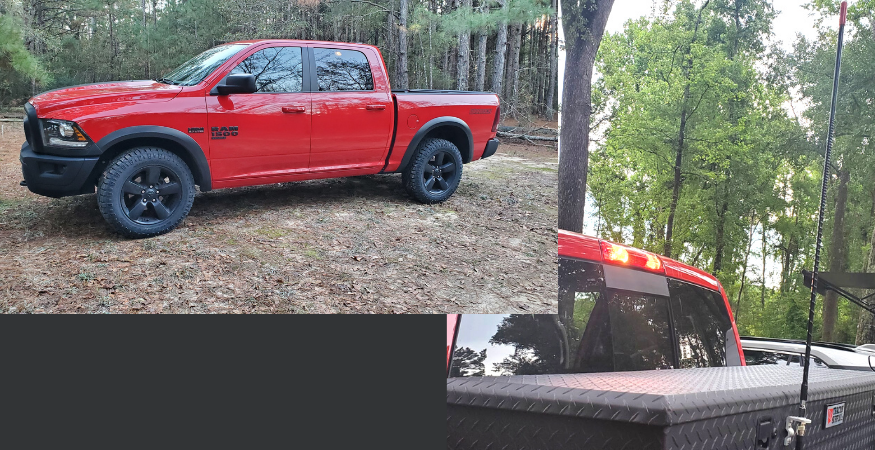
    With the acquisition of my new truck(discussed in the member area of this website) I am working on equipping it to be not just a nice looking truck – but more of an overland vehicle. From a preparedness perspective, the EMP Shield is a logical addition.

    BTW – here is my 2019 Ram 1500 Classic Warlock 4×4.

    Back to the EMP Shield……

    I ordered the EMP Shield for a vehicle. It arrived a short time later and I installed it. Super easy!!! I made the video below as an overview:

    If you are interested in the EMP Shield – visit this link. Use promo code “1776” to get $50 off.

    Take care all.

    Rourke

    line

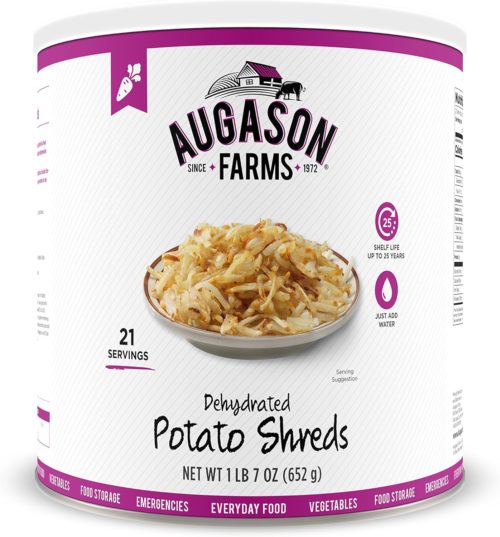
  • DEAL ALERT: Augason Farms Potato Shreds – 25 Year Storage for Less Than $9.00

    DEAL ALERT: Augason Farms Potato Shreds – 25 Year Storage for Less Than $9.00

    So – I took a look around and came across a few other Augason Farms food storage solutions with great prices:

    Hello all. In these crazy times, I’m going to try to pass on any great deals I come across. I just saw that over on Amazon, the Augason Farms Potato Shreds—which have a 25+ year shelf life—are on sale for less than $9.00 per can. I ordered a few for myself.

    freeze dried, potato, food storage, economic collapse, prepper, shtf, prepare, get ready, Augason Farms, potato,

    At a price less than $9, this is a no-brainer if you can afford it. Maine Prepper Girl and I have discussed the need to prioritize water and food for the rest of 2025. A few cans this month of these Potato Shreds, in addition to our normal stocks, just makes sense at these prices.

    Keep an eye out as the price may drop back down.

    With these prices, it’s cheap and stack it deep!

    Rourke

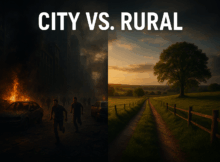
  • What a Real SHTF Situation COULD Look Like — City vs. Country

    What a Real SHTF Situation COULD Look Like — City vs. Country

    When people talk about “SHTF” (S*** Hits The Fan), they usually think of short-term emergencies—power outages, empty grocery store shelves, maybe some looting in the city. But the truth is, a real, full-blown SHTF event could be far worse than most people imagine.

    Important Reminder: Nobody can predict exactly what would happen during a collapse. There are too many variables—like the type of disaster, how people react, the season, and especially where you live. But that doesn’t mean we shouldn’t think through the possibilities.

    Let’s take a serious look at what a true SHTF scenario could look like in a large city compared to a rural, less populated area—and why being as prepared as possible is absolutely critical.

    In the City: High Risk, High Density

    Cities are home to millions of people packed into small spaces. That means when systems fail—power, water, food delivery, law enforcement—it can get bad very fast.

    ❌ No Supplies

    • Grocery stores can be empty in a matter of hours.

    • Without regular truck deliveries, shelves stay empty.

    • Bottled water and fuel may disappear first.

    ❌ Riots and Violence

    • In desperate times, people may act out of fear, anger, and hunger.

    • Looting and violence can spread rapidly, especially in crowded neighborhoods.

    • Gangs and organized crime may take control of certain areas.

    ❌ Overwhelmed or Missing Services

    • Police and EMS may be too busy—or stop showing up altogether.

    • Hospitals could lock their doors or run out of supplies.

    • Fires or medical emergencies may go unanswered.

    ❌ Gridlock and Escape Problems

    • Highways and streets could become parking lots.

    • Leaving the city may be nearly impossible if panic sets in.

    ❌ Disease and Sanitation Collapse

    • Trash collection stops.

    • Without water, toilets stop working. Disease spreads.

    • Rats, insects, and human waste can become serious health threats.

    Bottom Line: In a real SHTF event, a big city could become unlivable in just a few days.


    In the Country: Safer, But Still Challenging

    Rural areas come with their own set of risks, but they also offer some big advantages.

    ✅ Fewer People, Less Chaos

    • Smaller populations mean fewer people fighting over resources.

    • Some rural communities have a stronger sense of trust and mutual aid.

    ✅ Natural Resources

    • Access to land, water sources, and firewood gives you more control.

    • If you garden, raise animals, or hunt—you’re better positioned for survival.

    ✅ Distance from Immediate Violence

    • Riots and looting are less likely in remote areas.

    • That said, you still need to be on guard. Desperate people may travel.

    ❌ Isolation

    • You might be on your own. No nearby help if you get injured or run out of supplies.

    • Long drives for fuel, medicine, or emergency needs may not be possible.

    ❌ No Services, Just You

    • Rural stores and clinics may shut down just as fast as city ones.

    • Power, internet, and fuel might disappear with no warning—and stay gone.

    • Security is your responsibility. You must be ready to defend your home.

    Bottom Line: Rural life offers better chances for survival, but only if you’re already set up and prepared before the crisis hits.


    Why This Matters: SHTF Could Be Worse Than You Think

    Even many seasoned preppers tend to underestimate just how bad things could get. A real SHTF situation might not be over in a week or even a month. Think about:

    • Long-term grid failure

    • Total economic collapse

    • Supply chain breakdowns

    • Civil unrest or foreign invasion

    History shows that when society breaks down, recovery doesn’t always happen quickly. It could take years—or never return to what we once knew as “normal.”


    Final Thoughts

    A true SHTF event could be far worse than most people imagine. In the city, the danger comes fast. In the country, the danger might come slower—but you’ll still face serious challenges.

    Wherever you live, don’t assume you’ll have time to “get ready” after it starts. By then, it may be too late.

    Prepare now. Be realistic. Plan for the worst—and hope for the best.

    Because when everything falls apart, survival may not come down to who has the most gear—but who took the threat seriously before it was too late.


    Take care all –

    Rourke

    [ecwid widgets=”productbrowser” default_category_id=”0″ default_product_id=”0″ minicart_layout=”MiniAttachToProductBrowser”]

  • A Simple Guide to Growing Carrots

    A Simple Guide to Growing Carrots

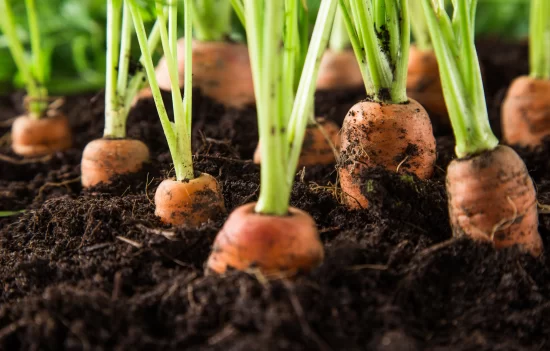
    Carrots are a yummy and easy vegetable to grow at home! They don’t need much space and taste super sweet when fresh. This guide will show you how to grow carrots in the ground or in raised beds, including what soil to use, how to improve it, cool carrot types, when to plant, and some handy tips.

    growing carrots, guide, how to, survival garden, food, food storage, shtf, preparedness, prepper, how to grow carrots, homesteading,

    Soil Conditions
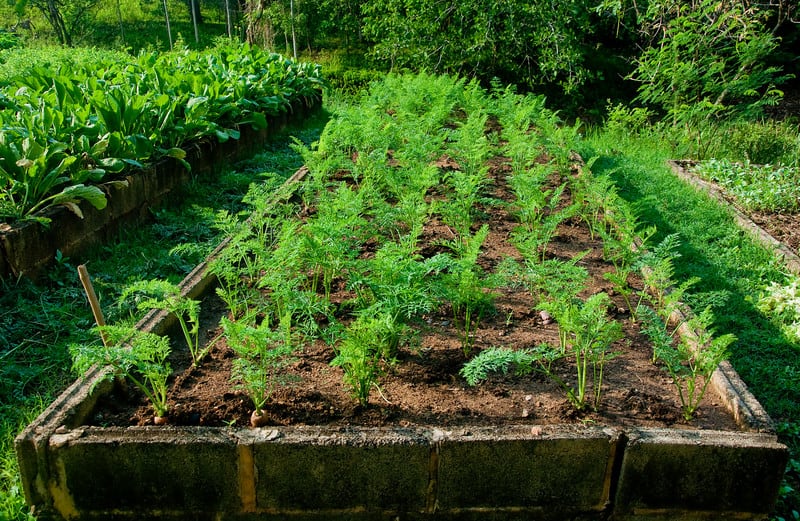
    Carrots need loose, well-drained soil so their roots can grow straight. Sandy or loamy soil is best, and heavy clay can make carrots crooked. For in-ground planting, dig the soil 10 inches deep and remove rocks. They love sunny spots with 6-8 hours of sunlight daily. In raised beds, use soil at least 12 inches deep for enough root space.

    Soil Amendments
    Add a 2-inch layer of compost to the soil when planting to give carrots nutrients. In raised beds, mix one part sand with one part potting mix for better drainage. Use a low-nitrogen fertilizer to help roots grow strong, applying it when you plant and again 5 weeks later. Follow the package for how much to use. [Rourke’s favorite compost is Black Kow]

    Heirloom Varieties
    Heirloom carrots are commonly available at local farmers’ markets and Walmart. Danvers and TenderSweet are very popular varieties.

    Timing in Different Climates
    In colder areas, plant carrots 2-3 weeks before the last spring frost or in late summer for a fall harvest. Check frost dates at https://www.almanac.com/gardening/frostdates/. They grow best in 55-65°F soil. In warmer places, plant in winter when it’s 45-75°F. Carrots take 60-90 days to grow, and light frosts make them sweeter.

    Tips and Tricks
    – Sowing Seeds: Mix tiny carrot seeds with sand to spread them evenly. Plant directly in the soil and cover with a thin layer of fine soil or compost.
    – Thinning: When seedlings grow, snip them with scissors to 2-4 inches apart so carrots have room to grow.
    – Watering: Keep soil moist with 1 inch of water per week. Don’t let it get soggy.
    – Mulching: Add straw or leaves around plants to keep soil moist and stop weeds.
    – Harvesting: Pull carrots when their tops are 3/4 inch wide, about 50-75 days after planting. Water the soil the day before to make it easier.

    In-Ground Planting vs Raised Beds
    – In-Ground Planting: Best for loose, well-drained soil. Dig 10 inches deep and clear rocks. It’s cheaper but can have more weeds and pests.
    – Raised Beds: Great for bad soil or small spaces. Use beds 12 inches deep. They drain better, have fewer weeds, and keep pests away more easily. They’re also easier on your back!

    carrots, growing carrots, raised beds, how to, prepper, homestead, survival, preparedness,

    Summary
    Growing carrots is fun and gives you sweet, crunchy veggies! Prepare the soil, pick a cool variety, plant at the right time, and use these tips for a great harvest. Whether you use the ground or raised beds, you’ll love growing your own carrots! 🥕

    got carrots? 🥕

    Rourke

    line

    survival, shtf, prepper, notebook, planner, journal, planning, John Rourke

  • Yes, You Can Garden on a Budget: How to Grow Tomatoes, Cucumbers, Zucchinis & Yellow Squash

    Yes, You Can Garden on a Budget: How to Grow Tomatoes, Cucumbers, Zucchinis & Yellow Squash

    Starting a vegetable garden doesn’t have to cost a lot or be complicated. With just a little space, a raised bed, and some heirloom seeds, you can grow healthy, delicious food right in your own backyard. This simple guide will show you how to plant tomatoes, cucumbers, zucchinis, and yellow crookneck squash—all great beginner-friendly veggies.

    🌱 Why Raised Beds?

    Raised beds warm up faster in the spring, have better drainage, and make it easier to control weeds and soil quality. They’re also easier on your back! Waaaaaay back in my mid-20s I moved to South Carolina from New Hampshire and moved into an apartment. I wanted to grow “something.” I put a raised bed in the apartment patio and also had a couple buckets. I grew some food, and it felt so great. That was the beginning of my gardening journey.


    🛠 Budget-Friendly Raised Bed Options

    You don’t need to buy an expensive garden kit. Try these DIY options:

    • Untreated pine boards (1×6 or 2×6) cut to size and screwed together (4’x8’ is ideal)
    • Cedar fence pickets (budget option with natural rot resistance)
    • Repurposed materials like old pallets (be sure they’re heat-treated, not chemically treated)
    • Cinder blocks stacked in a rectangle (no tools required)
    • Downed trees and stones can also be used as borders for the raised beds

    🪴 Soil Mix for Raised Beds

    You want rich, well-draining soil. Here’s a basic mix that won’t break the bank:

    • 60% topsoil (buy in bulk if you can)
    • 30% compost (homemade or store-bought) – Rourke recommends Black Kow brand
    • 10% sand or perlite (for drainage)

    Optional: Add in some worm castings or aged manure if your budget allows.


    🌼 Easy Heirloom, Non-GMO Varieties to Grow

    These are dependable, tasty, and perfect for beginners. You can find these from companies like MIgardener, Baker Creek, or Seed Savers Exchange.

    🍅 Tomatoes

    • ‘Cherokee Purple’ or ‘Roma’ – Great for slicing or sauces

    🥒 Cucumbers

    • ‘Boston Pickling’ – Compact and great for fresh eating or pickling

    🥒 Zucchini

    • ‘Black Beauty’ – Classic, productive, and easy to grow

    🍋 Yellow Squash

    • ‘Early Prolific Straightneck’ or ‘Crookneck’ – Reliable producers

    🌞 Planting Tips

    • Sunlight: Pick a spot with 6–8 hours of direct sun.
    • Spacing: Give your plants room to grow. Tomatoes and squash need at least 2–3 feet between them.
    • Watering: Keep the soil moist but not soggy. Deep watering 2–3 times a week is best.
    • Support: Use cages or stakes for tomatoes and cucumbers to keep them upright.


    🧑‍🌾 Raised Bed Gardening FAQ

    1. What is a raised bed garden?

    A raised bed is a garden built above ground level, usually in a framed box structure filled with soil. It allows for better control over soil quality, drainage, and weeds.


    2. How deep should a raised bed be?

    At least 6 to 12 inches deep is ideal for most vegetables. Deeper beds (18–24 inches) are even better for root crops like carrots or potatoes.


    3. Do raised beds need a bottom?

    No, most raised beds sit directly on the ground. This allows roots to grow deeper. If placing the bed on concrete or a patio, consider adding a bottom with good drainage.


    4. Can I place a raised bed directly on grass?

    Yes! Just lay down cardboard or thick newspaper to smother the grass before adding soil. It will break down naturally and help suppress weeds.


    5. What kind of soil should I use?

    Use a mix of:

    • 60% topsoil

    • 30% compost

    • 10% sand or perlite for drainage
      Optional: Add worm castings, aged manure, or organic fertilizer for a boost.


    6. How often should I water my raised bed?

    Water deeply 2–3 times per week, depending on the weather. Raised beds dry out faster than in-ground gardens, so check soil moisture often, especially in summer.


    7. Do I need to fertilize my raised bed?

    Yes. Even with good compost, nutrients get used up. Use organic fertilizers like fish emulsion, bone meal, blood meal, or compost tea every 2–4 weeks during the growing season.


    8. Can I grow all vegetables in a raised bed?

    Most, yes! Tomatoes, peppers, beans, squash, lettuce, herbs, and more do great in raised beds. Just watch spacing—some plants need more room than others.


    9. Do I need to rotate crops in a raised bed?

    It’s a good idea. Rotating helps prevent soil-borne diseases and pests. Try changing plant families each year (e.g., tomatoes one year, leafy greens the next).


    10. How do I keep pests out?

    • Use row covers or netting

    • Add companion plants like marigolds or basil

    • Hand-pick bugs or use organic sprays like neem oil

    • Keep your garden area clean and free of plant debris


    🌿 Final Statement

    Start small and just do something. Even one raised bed can feed you and your family well. Gardening is about learning as you go, and it’s one of the most rewarding things you can do.

    Take care all –

    Rourke

  • Stock Up Now: Household Items That Could Be Hard to Find Due to the China Tariff War

    Stock Up Now: Household Items That Could Be Hard to Find Due to the China Tariff War

    With the growing tariff war between the United States and China, we may start seeing shortages or higher prices on common household items. Many everyday products are made or have parts made in China, and if tariffs continue to rise or trade slows down, it could affect what we can buy and how much it costs.

    It’s smart to prepare ahead of time and stock up on items your family uses every day. Having a one-year supply means you won’t need to worry if shelves go empty or prices go up. Here are some common items to consider storing, along with recommended amounts for a family of four.


    1. Shampoo

    Why: Many shampoos are manufactured in other countries, and/or many of their components are.
    Recommended Amount:

    • 1 bottle per month, per person

    2. Toothpaste

    Why: Ingredients and packaging often come from China.
    Recommended Amount:

    • 12 tubes per person (1 tube/month) = 48 tubes/year for a family of 4

    3. Toothbrushes

    Why: Most are made in China.
    Recommended Amount:

    • 4 toothbrushes per person/year = 16 per family of 4

    4. Soap (bar and liquid)

    Why: Some ingredients and packaging are imported.
    Recommended Amount:

    • Bar soap: 36 bars per person/year = 144 bars
    • Liquid hand soap: 12 bottles per person = 48 bottles

    5. Laundry Detergent

    Why: Containers, chemicals, or finished products may come from China.
    Recommended Amount:

    • 12 large bottles or boxes = 1 per month

    6. Dish Soap

    Why: Same reason as laundry detergent—imports and ingredients.
    Recommended Amount:

    • 12 bottles = 1 per month

    7. Trash Bags

    Why: Most brands are made overseas.
    Recommended Amount:

    • 12 large boxes = 1 per month

    8. Batteries

    Why: Many are manufactured or assembled in China.
    Recommended Amount:

    • AA: 96
    • AAA: 48
    • D: 24
    • 9V: 12 (adjust based on what your devices use)

    9. Light Bulbs

    Why: LEDs especially, are made in China.
    Recommended Amount:

    • 24–36 bulbs, depending on how many fixtures you have

    10. Over-the-Counter Medicines

    Why: A large percentage of medicine ingredients are sourced from China.
    Recommended Amount:

    • Pain relievers (acetaminophen, ibuprofen): 4 large bottles per person
    • Cold/flu medicine: 4 boxes per person
    • Allergy pills: 1 bottle per 90 days = 4 bottles per person
    • Vitamins: 12 bottles per person (1 per month)

    Final Tips:

    • Store items in a cool, dry place.
    • Keep an inventory so you know what you have.
    • Rotate supplies to keep things fresh.
    • Look for sales and buy in bulk when possible.

    Even if nothing changes overnight, having a year’s supply of basic items gives you peace of mind. Whether it’s a tariff war or just rising prices, your family will be ready.

    Take care all –

    Rourke

    [ecwid widgets=”productbrowser” default_category_id=”0″ default_product_id=”0″ minicart_layout=”MiniAttachToProductBrowser”]


  • Looking for Long-Term Food Storage?

    Looking for Long-Term Food Storage?

    If you’re looking to stock up on long-term food storage, My Patriot Supply is hands down the most economical, best-tasting, and best value out there. Whether you’re prepping for emergencies or just want peace of mind, they’ve got you covered with high-quality, shelf-stable meals.

    👉 Check it out here: PrepareWithJR.com

    In today’s unpredictable and uncertain world, having a reliable food storage plan is more important than ever. Natural disasters, supply chain disruptions, and economic instability can strike without warning. Be ready—secure your food supply now and protect your family’s future.

    Take care all –

    Rourke

  • Announcing the Return of Our Crisis Series – Now Called “The Coming Struggle”

    Announcing the Return of Our Crisis Series – Now Called “The Coming Struggle”

    A while back, I wrote and shared a series of blog posts about a possible future crisis in America. Back then, I called it The American Reformation. That series looked at what might happen if our country went through a major internal collapse—something that could change everything.

    Now, I’ve decided to bring those articles back. I’ve made some updates, changed the name, and added new thoughts. The series is now called The Coming Struggle.

    Even though the name is different, the warning is the same: We may be heading toward a major SHTF (S*** Hits The Fan) situation. It might not happen tomorrow, but signs point to trouble ahead. These articles are meant to help you prepare for what could be a hard and dangerous time.

    What to expect in the series:

    • Signs that things are falling apart

    • How to get your home and family ready

    • Techniques for survival
    • The importance of local communities

    • What life might be like when things break down

    If you read the original American Reformation posts, this new version will feel familiar—but stronger, clearer, and more focused on what matters most in these uncertain times.

    Starting next April 27th, I’ll be reposting these updated articles. I hope you’ll read them, think about them, and share them with others.

    The Coming Struggle is not about fear—it’s about being aware and being ready.

    Stay alert. Stay steady. Stay prepared.

    Take care all –

    Rourke

  • What Is Paracord? Strength, Specs, and 20+ Survival Uses

    What Is Paracord? Strength, Specs, and 20+ Survival Uses

    What Is Paracord?

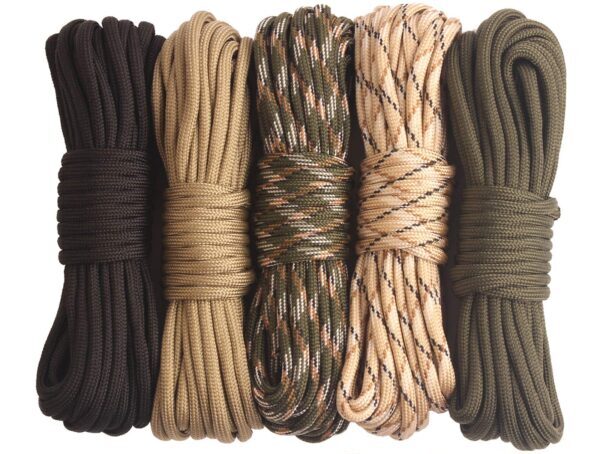
    Paracord is short for “parachute cord.” It was first used during World War II by the military to help soldiers with parachutes. Over time, people realized just how useful this strong, lightweight cord could be—and now it’s popular for survival kits, camping, crafting, and even everyday use.


    What Is Paracord Made Of?

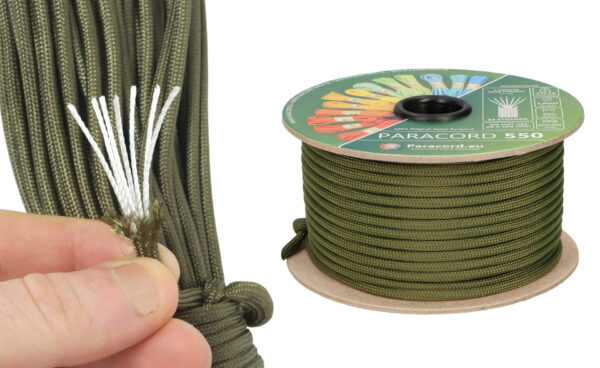
    Paracord is a nylon rope made up of an outer shell (called the sheath) and several inner threads (called strands). These inner strands can be taken out and used on their own if needed.

    The most common type is Type III 550 paracord. Here’s what that means:

    • 550 means it can hold up to 550 pounds before breaking.
    • It usually has 7 inner strands.
    • It’s about 1/8 of an inch thick.
    • It’s made of 100% nylon, which makes it strong, stretchy, and weather-resistant.

    Why Paracord Is So Great

    Paracord is awesome because:

    • It’s super strong for its size and weight.
    • It’s light and easy to carry.
    • It can be used in wet or dry conditions.
    • It lasts a long time and won’t rot or mildew easily.
    • It can be used in many different ways.

    Paracord, inner strands, cord, rope, survival, survival kit, preparedness,


    What Can You Use Paracord For?

    There are hundreds of uses for paracord! Here are just a few:

    • Tie things down to a truck or roof rack.
    • Make a shelter by tying tarps or branches together.
    • Hang food up high to keep it away from animals.
    • Fix gear like broken backpack straps or shoelaces.
    • Make tools like fishing lines, snares, or bow drills (with the inner strands).
    • First aid, like making a tourniquet or sling.
    • Crafts, like bracelets, keychains, dog collars, or belts.
    • Emergency repairs for clothing, tents, or equipment.
    • Fire starter, when combined with flammable material.
    • Pull things, like using it to drag firewood or gear.
    • Make a Clothesline, stretch it between two trees or posts to hang wet clothes or towels while camping or during a power outage.

    • Create a Bowstring, in a survival situation, you can use paracord to string a DIY bow for hunting or defense.

    • Make a Handle Wrap, wrap paracord around handles (like knives, axes, or buckets) to improve grip and comfort.

    • DIY Dog Leash or Collar, braid a strong and reliable leash or collar for your dog using paracord—custom length and color!

    • Zipper Pulls, cut and tie short sections to use as zipper pulls for bags, jackets, or tents—easier to grab with gloves.

    • Trap or Snare Cordage, use the inner strands to build animal snares for survival hunting or pest control.

    • Improvised Crampons or Boot Ties, in icy conditions, you can use paracord to tie branches or metal pieces under your boots for extra grip.

    • Make a Fishing Net, weave the inner strands into a small net for catching fish or scooping debris.

    • Emergency Stretcher or Drag Line, tie sturdy sticks together to make a stretcher, or use paracord to drag someone or something to safety.

    • Secure a Splint or Bandage, if you need to keep a broken bone or injury stable, paracord can help secure a splint in place.


    Easy to Buy and Stock Up

    One of the best things about paracord is that it’s cheap. You can buy it in bulk online or at stores like Walmart, Home Depot, or sporting goods stores. Many people buy 100-foot rolls or even more and keep them in their bug-out bags, cars, and toolboxes. It takes up very little space and could be a real lifesaver. I can’t count how many times I’ve needed some cordage and paracord saved the day.


    Watch Out for Fake Paracord

    Not all paracord is real! Fake paracord might look the same, but it’s usually made with weak materials like polyester or doesn’t have the proper number of inner strands. This kind of paracord can break easily or fail when you need it most. Fake paracord is widely labeled as “paracord.”Paracord, cordage, survival, survival kit, prepper, preparedness,

    Here are a few tips to make sure you get the real stuff:

    • Look for “Type III 550” or “mil-spec” on the label.
    • Make sure it has 7 inner strands (or 11 if it’s Type IV).
    • Try to buy from reputable brands.
    • Cut the end—if it looks cheap, flat, or missing strands inside, it’s probably fake.

    Final Thoughts

    Paracord is one of the most useful tools you can keep around your house, your car, or in your emergency supplies. It’s strong, light, and can help in all kinds of situations. Best of all, it doesn’t cost much, so you can stock up now without breaking the bank.

    Just remember to check that it’s the real thing, and you’ll be ready for whatever life throws your way!

    Take care all –

    Rourke

  • Important Update: USB Price Changes and a New Download Option

    Important Update: USB Price Changes and a New Download Option

    Hi friends,

    I want to take a moment to share an important update with you—especially for those of you who have supported my work by purchasing the USB drives I offer here on the blog.

    As many of you know, I’ve been selling these USBs on the side as a way to help support the blog and to get valuable, hard-to-find preparedness information into the hands of people who truly care about being ready. These aren’t just random files thrown together—they’re the result of hundreds of hours of research, organizing, and compiling survival knowledge that I believe every household should have on hand.

    Unfortunately, recent changes have made things more difficult.

    Due to a 100+% tariff on products made in China, the cost of the USB drives I use is dramatically increasing. This increase is something I simply can’t absorb on my own, and it’s forcing me to raise the prices on future USB orders.

    That’s the bad news—but there’s also a silver lining.

    To keep this information accessible, I’ll now be offering a Download-Only version of the same content at a reduced price. These download packages will contain everything included on the USBs—organized folders, guides, PDFs, manuals, and more—available for secure and instant download. This not only avoids shipping delays but also helps keep the cost down.

    Here’s what’s changing:

    • USB Drives will remain available but at a higher price due to increased material costs.

    • Download-Only Versions will now be available at a lower price and with immediate access.

    • Both versions contain the same thoroughly researched and carefully organized content.

    This blog has always been about helping others live more prepared and self-reliant lives, and the small income from these USBs helps keep things running.

    Thanks for your understanding, and thank you for being part of this growing community!

    Stay safe and take care.

    Rourke

    [ecwid widgets=”productbrowser” default_category_id=”0″ default_product_id=”0″ minicart_layout=”MiniAttachToProductBrowser”]


  • Free Survival & Preparedness Downloads

    Free Survival & Preparedness Downloads

    We’ve discussed putting together a digital survival and preparedness library using Kindles, Amazon Fire Tablets, laptops, etc. The free ebooks available on Amazon are great, but there are tons of other material available online. Military manuals, guides, white papers, university papers, articles, and books are all available.

    I’ve started organizing and transferring my huge library onto a separate server and also making it available on 1 TB SSD drives. This should be a great resource I look forward to sharing with others.

    Here are a few survival and preparedness downloads:

    The 1881 Household Cyclopedia

    The Effects of Nuclear War

    First Aid For Soldiers FM21-11

    US Army Survival Manual FM 21-76

    LDS Preparedness Manual

    Nuclear War Survival Skills

    Survival and Austere Medicine: An Introduction

    Urban Farm Magazine – Issue #1

    Dry It Like You’ll Like It

    AR-15 Builders Guide

    Have a great weekend folks!

    Rourke

  • Know Thy Enemy (During the Collapse): Part 1 – The Unprepared Neighbor

    Know Thy Enemy (During the Collapse): Part 1 – The Unprepared Neighbor

    The following post was originally published over at 299Days.com.

    By Glen Tate

    This guy is your enemy.   (During the Collapse, that is.)

    He doesn’t seem like it; in fact, he looks kind of wimpy.  He’s not a jack-booted Homeland Security trooper breaking down your door to take your guns, so he can’t be a threat, right?

    Wrong.  Dead wrong.  He’s a bigger threat to most of you than the government.

    Of course, the government will be a threat, especially in urban areas where they will congregate and hold onto power in their fiefdoms.  Gangs will also be a threat (more on that in Part 2 of this series).  My point is that the guy pictured above – the unprepared neighbor – is the one most likely to actually try to take your stuff and, if necessary, hurt you and your family.

    Who is this guy, and why is he a threat?

    He’s the guy who lives next to you.  Just an average guy.  Maybe you even gently tried to bring up the topic of prepping with him.  He looked at you like you were from Mars and said, a little sarcastically, “Oh, like those people on Doomsday Preppers?”  Being a good (feminized) male in the suburbs, he thought preppers were a bunch of right-wing crazies who just had some weird fetish about (icky, icky) guns.  He had plenty of opportunities to prepare but spent his time and money on concerts, trendy clothes, and whatever else most of America thinks is more important than taking care of their families in a crisis.

    Then the Collapse hits.  Very soon, his high-end grocery store is out of goat cheese and the police are no longer functioning.  After the shock and total disbelief wears off, he is terrified.  Not just scared, but lose-your-mind hysterical.  He’s been awake for several days because of all the gunfire he’s hearing, the baby has been crying, and his wife has been screaming at him for hours to “do something!”  (This, of course, is a story in itself because she was the one who told him he can’t have a gun like Todd and Chloe in the 299 Days book series.)  Your unprepared neighbor is not thinking rationally.  He’s desperate.  Studies show that after about 72 hours without food, people – even “nice” ones – will do horrible things to feed themselves and their families.  He needs to shut her up, get some food, and feel safe.  He’ll do anything to make that happen.  Anything.

    He remembers that conversation he had with you about “having a little bit of food in case the power goes out during the next ice storm.”  He remembers seeing you putting a gun into your car that day you went to the shooting range.  It all becomes “clear” to him: You need to give him food and a gun.  It’s only fair.  Besides, he tries to reassure himself, you are a nice guy.  You’ll help.

    He walks over to your place.  He’s nervous and scared of what he’ll do.  He politely knocks on your door.  You don’t know it’s him so you don’t answer – home invasions are happening everywhere and the last thing you want to do is let anyone in.

    The knocking gets louder.  Then even louder; by now, it’s pounding.  Who ever it is banging on your door is angry.

    Finally, you recognize his voice.

    Should you let him in?

    How you answer this is a personal choice and depends on the circumstances.  However, my point is that you must recognize this guy for what he is: your enemy.  That’s kind of harsh, but here’s why.

    You can’t solve his problem.

    You can’t feed him and his family for the next few months or even years or guard his place all night instead of guarding your own.  You just can’t.  That was HIS job and he failed miserably.  He feels humiliated that he didn’t take care of his family – and his wife won’t stop yelling at him.  You are the reason (in his mind) that his problem isn’t getting solved.  So, instead of you being able to solve his problem, you ARE his problem.

    Whether or not you let him in and give him a little food, he will start to talk to all the other neighbors who, of course, are not prepared either.  They will decide that you’re a “hoarder.”  Maybe the authorities are out looking for “hoarders” or “illegal guns” and one of the neighbors suggests that they turn you in.  You get the picture.  This guy is your enemy.

    What can you do?  Two things.

    First, recognize that a seemingly harmless guy like this will, indeed, be your enemy.  Recognizing this is the first – and biggest – step in successfully navigating this problem.

    Second, get the hell out of that neighborhood at the first sign of the Collapse.

    line

    [ecwid widgets=”productbrowser” default_category_id=”0″ default_product_id=”0″ minicart_layout=”MiniAttachToProductBrowser”]


  • The Importance of Caffeine After The SHTF

    The Importance of Caffeine After The SHTF

    How many out there just cannot function without their morning cup of coffee – or twelve? In today’s busy world, where many of us get less than the required amount of sleep, coffee and many specialty drinks have become extremely popular, providing a “kick” to help people get through their day.

    If many of us are needing a boost now – what about in a situation where staying awake and aware could mean the difference between life and death? Think about it…..situations may be present that require manual labor working gardens, preparing food, building shelters, walking perimeters, conducting patrols, gathering firewood, etc. So, having an extra boost of energy could be very valuable.

    Today, coffee and many energy drinks provide a dose of caffeine, a common stimulant.  Red Bull offers up 110mg’s while a cup of coffee around 180 depending on the brand.  Another option for getting caffeine is through the consumption of caffeine pills. These pills are very inexpensive and easy to store.

    The storage of caffeine for post-SHTF and survival situations is not often discussed. I have used caffeine to help when sleep was lacking and I needed a “boost”. It works.

    Hey, I’m not a doctor and have NEVER played one on TV. I did stay at a Holiday Inn Express once, but that’s another story. Caffeine affects the body, and thus, consuming it should be discussed with your doctor.

    So, the bottom line is that caffeine is something to consider stockpiling.

    Rourke

    BTW – my favorite brand has been the ProLab 200mg Caffeine 100 Count pills.  Under $8.00 very affordable.

  • America: Would We See a Real-Life Red Dawn?

    America: Would We See a Real-Life Red Dawn?

    Alright, picture this. One day, everything’s normal—coffee’s brewing, emails are annoying as usual, and the world is just spinning along. Then, out of nowhere, boom—the lights go out. Not just at your place, but everywhere. No power. No internet. No cell service.

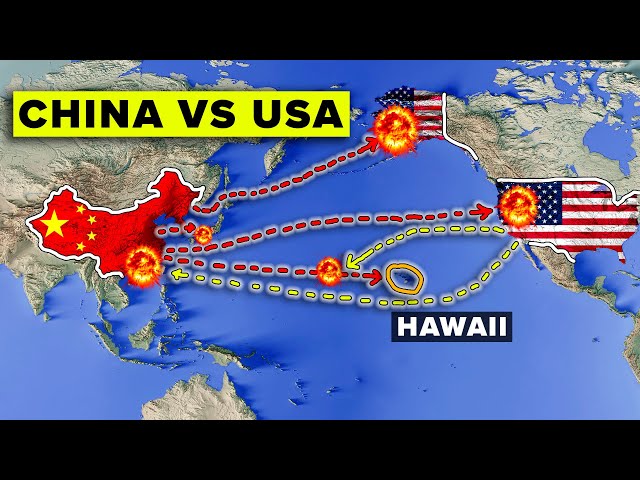
    An EMP strike? A massive cyberattack? Who knows. But one thing’s clear: the U.S. is in deep trouble. And when a country as big as America stumbles, you better believe the wolves start circling. Russia, China—they’d be licking their chops, looking for the perfect moment to take advantage.

    Sounds crazy, right? Maybe. But let’s break it down.

    How Could the U.S. Collapse?

    It’s not widely acknowledged just how much America’s power grid and infrastructure are super fragile. It wouldn’t take much to send us back to the Dark Ages.

    1. EMP Attack – One or more nukes detonated high in the atmosphere, and poof—much of the electrical grid gets fried. No power for months, maybe years. No gas. No water. No groceries. Total chaos.

    2. Cyber Warfare – Imagine China, Russia, Iran, or some other adversary hacking into power plants, banks, and communication networks all at once. No ATMs, no emergency services, no way to coordinate a response. It’d be a slow-motion train wreck that could escalate quickly.

    3. Supply Chain Collapse – No trucks running means no food on the shelves. Cities would fall apart in days. People would panic, and things would get ugly—fast.

    And once America’s on its knees? Well, that’s when the real trouble starts.

    Would China and Russia Invade?

    Why wouldn’t they? If the U.S. government couldn’t even keep the lights on, what’s stopping them from grabbing whatever they want?

    China’s West Coast Takeover

    China loves playing the long game. They wouldn’t roll in with tanks right away. They’d probably “help” first—sending in troops to “stabilize” key ports. Before anyone realized what was happening, they’d be in full control of:

    • Los Angeles & Long Beach – The biggest shipping ports in the U.S. Without them, we’d be completely cut off from supplies.

    • Seattle & Tacoma – Another huge trade hub. Plus, controlling it would give them a military foothold in the Pacific Northwest.

    • San Diego – Home to a major U.S. naval base. If China took it, we’d lose control of the West Coast entirely.

    And let’s be real—who’s gonna stop them? The National Guard? Most of them would be busy dealing with riots, looters, and a total breakdown of law and order.

    Russia’s Move from the North & East

    Russia wouldn’t sit this one out either. They’d probably go for:

    • Alaska’s oil fields – It’s practically next door, and they’d want that fuel supply.

    • Cyber strikes on the East Coast – Taking down communications so America couldn’t coordinate a fightback.

    • “Little Green Men” – Russia loves using shadow forces—think mercenaries and special ops disguised as civilians—to stir up chaos before an invasion.


    Would Americans Fight Back?

    Oh, hell yes. If you think Americans are just gonna sit back and let it happen, you don’t know America. Resistance would largely be dependent on location and the culture of the region.

    • Veterans, hunters, and militias would be out there guerrilla-warfare style, making life miserable for any occupying force.

    • Rural towns and preppers would be better off than cities since they already have food, supplies, and above-average firearms and ammunition supply.

    • The military would regroup—even if the government collapsed, U.S. soldiers wouldn’t just disappear. Bases in Texas, the Midwest, and the South would probably become rally points for resistance forces.

    There would be so many moving parts to any potential scenario. Trying to predict specifics is impossible, but, theories can certainly be developed.


    Could the U.S. Ever Recover?

    It’d be tough. But not impossible.

    The first few months or years would be brutal. Millions would struggle just to survive. Local groups would start taking control of their own areas. A new government would be built(possibly multiple in different regions). Little by little, the country would claw its way back.

    Would it ever be the same?  No. One thing is for sure – those who prepare ahead of time and can be as self-reliant as possible will fare much better than the rest.

    So, what do you think? Could we stop an invasion? Would we even stand a chance? Let’s hear it!

    Take care all –

    Rourke

  • The Gadsden Flag: Why Freedom-Loving Americans Embrace It

    The Gadsden Flag: Why Freedom-Loving Americans Embrace It

    You’ve probably seen it before—a bright yellow flag with a rattlesnake and the words “Don’t Tread on Me”. It’s bold, it’s iconic, and for a lot of people, it represents something deeply important: freedom. But where did it come from, and why do so many patriotic folks love it? Let’s break it down.

    Gardden flag, freedom, patriot, USA, United States, America, Constitution, prepper, militia, freedom,

    A Flag Born in the Fight for Freedom

    Back in 1775, before the U.S. was even officially a country, the American colonies were fed up with British rule. Taxes, restrictions, and being treated like second-class citizens—yeah, people weren’t happy. So when the Continental Marines (basically the first U.S. military force) needed a battle flag, a guy named Christopher Gadsden stepped up and designed this one.

    The rattlesnake wasn’t just a random choice. It had already become a symbol of the colonies—fierce, independent, and not to be messed with. Benjamin Franklin even wrote about how the rattlesnake was the perfect symbol for America: it doesn’t start fights, but if you step on it, you’ll regret it.

    Why Do So Many Patriots Love This Flag?

    For a lot of freedom-loving Americans, the Gadsden flag is more than just a cool piece of history. It’s a reminder that people should stand up for their rights and push back against government overreach. It doesn’t matter which political side you’re on—this flag is about personal freedom and not letting anyone trample all over it.

    That’s why you’ll see it flying on trucks, at rallies, and in front of homes. It’s a way of saying, “Hey, we believe in standing up for ourselves, and we’re not backing down.”

    What It Means Today

    Even though the flag was created in the 1700s, its message is just as strong today. Some folks have tried to twist its meaning, but at the end of the day, it’s still about the same thing: don’t mess with people’s rights.

    So if you see a Gadsden flag waving, now you know the deal. It’s not just a flag—it’s a statement. It’s a warning to those in power that freedom isn’t something Americans give up easily. Because just like that rattlesnake, we don’t go looking for trouble… but we sure as hell won’t back down if someone tries to step on us.

    Keep your powder dry!

    Rourke

  • The Rambo story that was never made……

    The Rambo story that was never made……

    An early Rambo 5 script had Sylvester Stallone fight a monster in 2009. Just one year after Rambo’s release, Sylvester Stallone was already working on a fifth movie called Rambo V: The Savage Hunt, where John Rambo, a new companion named Beau Brady, and a team of soldiers faced a genetically engineered being designed to be a perfect killing machine in the Arctic circle (via Ain’t It Cool News). Logically, the only person who can stop the bioengineered abomination would be a similarly unstoppable force, John Rambo himself. With a monster villain and a more claustrophobic setting, Rambo V: The Savage Hunt would have leaned more into the slasher genre than the previous movies’ action extravaganza.

    Rambo, savage, monster, movie never made, alternate story

    Rambo V: The Savage Hunt would have been a modified adaptation of James Byron Huggins’ 1999 novel Hunter, which had the exact same premise but was led by an expert tracker called Nathaniel Hunter and his wolf Ghost. The project progressed in the development stage with a script, an official title, and Sylvester Stallone attached, but it soon got scrapped in favor of an earlier concept, which dropped Rambo V: The Savage Hunt’s sci-fi inspirations and laid the foundations for the kidnapping storyline that would become Rambo: Last Blood. While Last Blood was certainly more in keeping with the wider Rambo franchise, the sci-fi spin remains a tantalizing missed opportunity.

    Rambo, First Blood, knife, sheriff, woods, survival knife,

    I’d love to see the story from the book Hunter made into a movie. Obviously, Stallone is well past the age to fulfill the main character’s role; however, no doubt with the right actor the movie would rock!

    Take care all –

    Rourke


    survival, shtf, prepper, notebook, planner, journal, planning, John Rourke


  • Ultimate SHTF Laptop: The Panasonic Toughbook

    Ultimate SHTF Laptop: The Panasonic Toughbook

    Those who have read this blog for the past few years will not be surprised when I say I have somewhat of a fascination with building a digital preparedness library. I have collected literally terabytes of information. This information comes in all forms and covers pretty much every topic you can imagine.

    I sell some of this information on USB flashdrives so others can have this information as well. It took many, many hours to accumulate and the search continues. I believe that information in a post-collapse environment will be essential. Regardless of the neighbors – modern technology can be utilized even with the grid down.

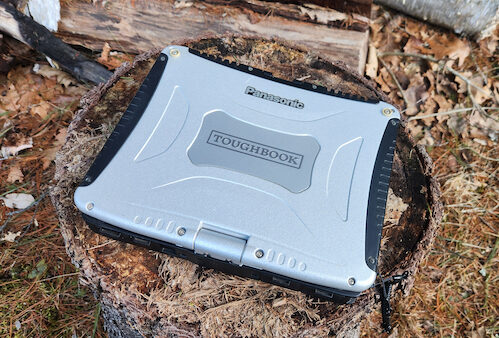
    Recently I picked up a Panasonic Toughbook. I’ve wanted one for years as they represent the epitome of survival and preparedness computer technology. I found a seller on eBay offering great deals on used Toughbooks.

    Panasonic Tough book, survival, preparedness, prepper, survival, prep, digital library,

    The Panasonic Toughbook is the perfect laptop for a post-collapse, grid-down world. Designed for extreme durability, it can survive drops, water, dust, and harsh environments—making it a trusted tool for military, emergency responders, and serious preppers. With proper shielding, it can even resist EMP effects, ensuring you still have access to critical survival data when the grid fails.

    Panasonic Tough book, best deal, eBay, shtf, preparedness, survival, digital library, survival library, information

    Fans of the classic prepper TV series Jericho might remember the Toughbook being featured several times in the collapsed world. If you’re preparing for the worst, this is the laptop you want.

    For the best Toughbook deals on the internet, follow the link below!

    Tough Laptops – great deals on tough laptops for every budget

    Rourke

  • Preparedness Supplies – Butane Lighters

    Preparedness Supplies – Butane Lighters

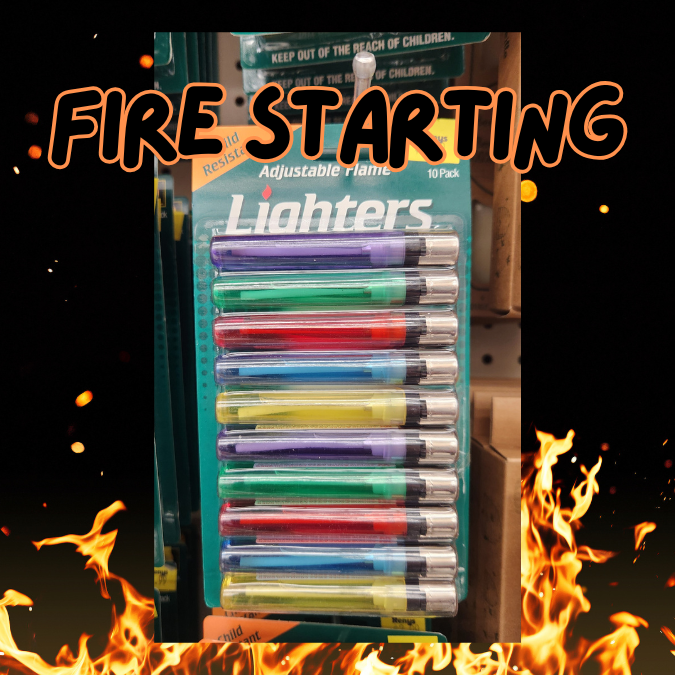
    A simple butane lighter, like a Bic, is one of the best survival tools you can stockpile. It’s small, cheap, and reliable—perfect for starting fires to stay warm, cook food, or boil water in an emergency. Unlike matches, a Bic lighter can be used hundreds of times and works even after getting wet (just dry it out). Keep extras in your bug-out bag, car, and emergency kits. Fire is life in a survival situation—don’t get caught without a way to make it! 🔥

    lighter, fire, fire starter, prepper, preparedness, survival, bugging out, bug out,

    Here are a couple of good deals on bulk packages of butane lighters:

    50 Pack

    100 Pack – Check this out!!


    Take care all –

    Rourke

  • Survival Garden: Drying Eggshells To Grow Massive Tomatoes

    Survival Garden: Drying Eggshells To Grow Massive Tomatoes

    How to Dry Eggshells in the Oven for Your Tomato Plants

    Did you know that eggshells can help your tomato plants grow strong and healthy? Eggshells are packed with calcium, which helps prevent a common tomato problem called blossom end rot. This is when the bottoms of your tomatoes turn black and mushy.

    One easy way to prepare eggshells for your garden is by drying them in the oven. Here’s how:

    How to Dry Eggshells in the Oven

    1. Save Your Eggshells – After cracking eggs for cooking, rinse the shells with water to remove any egg residue.
    2. Let Them Dry – Place the shells in a bowl or on a tray and let them air dry for a day or two.
    3. Bake Them – Preheat your oven to 200°F (93°C). Spread the dry eggshells on a baking sheet and bake them for about 10-15 minutes. This removes any remaining moisture and makes them easier to crush.
    4. Cool and Crush – Once the shells are cool, crush them into small pieces. You can use your hands, a rolling pin, or a blender to grind them into finer bits.

    Washing the eggshells


    Drying the eggshells in the oven

    How Eggshells Help Tomato Plants

    When you plant tomatoes, sprinkle a handful of crushed eggshells in the hole before placing the plant. As the shells break down, they release calcium into the soil, helping to:

    • Prevent Blossom End Rot – Calcium strengthens tomato cell walls, reducing the risk of rot.
    • Improve Soil Structure – Crushed shells help aerate the soil and improve drainage.
    • Deter Pests – Sharp eggshell pieces can discourage slugs and snails from attacking your plants.

    This simple trick is a great way to recycle kitchen scraps while giving your tomatoes the nutrients they need to thrive!

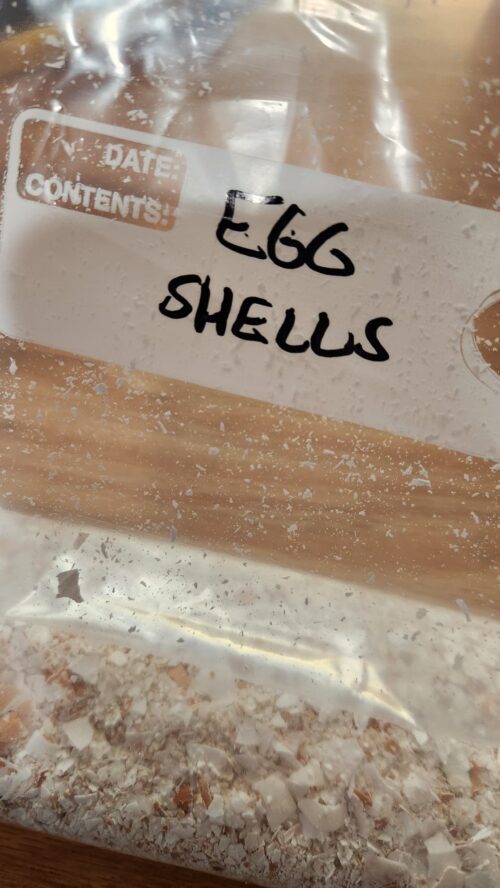
    Crushed egg shells ready for the garden

    So looking forward to the upcoming Spring/Summer growing season. I’ll be placing crushed egg shells under the majority of our tomato plants.

    Take care all –

    Rourke

    [ecwid_product id=”474258144″ display=”picture title price options addtobag” version=”2″ show_border=”1″ show_price_on_button=”1″ center_align=”0″] [ecwid_product id=”532251020″ display=”picture title price options addtobag” version=”2″ show_border=”1″ show_price_on_button=”1″ center_align=”0″]


  • Getting Ready: Planting and Growing Blueberry Plants

    Getting Ready: Planting and Growing Blueberry Plants

    Growing your own food is not only rewarding but also promotes self-reliance. I planted 6 blueberry plants two years ago and they have done great!. Blueberries, delectable and nutritious, are a welcome addition to our Maine homestead. In this article, we’ll dive into the planting and growing of blueberry plants. From soil preparation and soil amendments to selecting the right blueberry species and understanding the fertilization process, we’ll equip you with the knowledge you need to cultivate a thriving blueberry harvest.

    how to grow blueberry plants, getting ready, shtf, prepper, preparedness, survival gardening, survival, growing blueberries, blueberry plants, economic collapse,

    1. Soil Preparation:
    The foundation for successful blueberry growing is soil preparation. Blueberries thrive in acidic soil with a pH range of 4.0 to 5.5. Follow these steps to prepare your soil:

    a. Soil Testing: Begin by testing the pH of your soil. Soil testing kits are available at garden centers or through online retailers. If the pH is too high, you will need to lower it to create an acidic environment suitable for blueberries. NOTE: Test your soil in several areas as it may vary depending on where you test.

    b. Soil Amendments: To lower the soil pH and improve its fertility, use the following organic amendments into the top 6-8 inches of soil:

    – Peat Moss: Peat moss is highly effective in increasing soil acidity. Mix it thoroughly into the soil, aiming for a ratio of one part peat moss to two parts soil.
    – Pine Needles: Pine needles are naturally acidic and can help maintain the desired pH level. Use them as mulch or incorporate them into the soil to enhance acidity.
    – Well-Rotted Sawdust: Sawdust, particularly from coniferous trees, can contribute to soil acidity. Ensure it is well-rotted to prevent nitrogen depletion, and mix it evenly into the soil.

    c. Organic Matter: Blueberries thrive in well-draining soil rich in organic matter. Prior to planting, incorporate compost or well-rotted manure into the soil to enhance its structure and fertility. Aim for a 2-3 inch layer and mix it evenly into the topsoil.

    d. Mulching: Blueberries benefit from mulching to conserve soil moisture and suppress weed growth. Apply a layer of organic mulch, such as wood chips, pine needles, or straw, around the base of the plants, leaving a gap around the stem to prevent rotting.
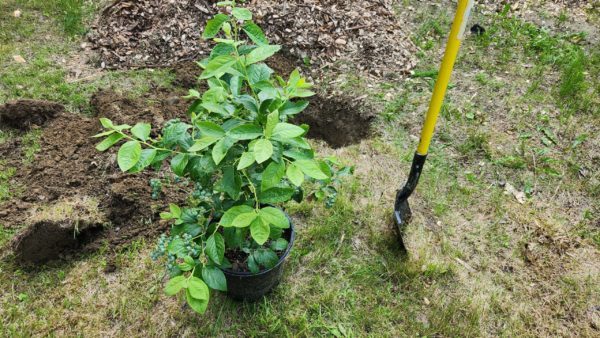
    blueberry bush ready to plant, homestead, homesteading,

    2. Selecting Blueberry Species:

    Choosing the right blueberry species is important for your planting area and space. Consider the following recommendations:

    a. Highbush Blueberries:

    Blueberry plants come in two main types: highbush and lowbush. Highbush blueberries grow in a wider geographic range and they are a common choice for home gardeners. Is that you? Highbush types are the typical types found in grocery stores and they can grow upwards of 6-12 feet tall!!!

    – ‘Bluecrop’: This variety is renowned for its abundant, medium-sized berries and excellent flavor. It is winter-hardy and adapts well to various growing conditions.
    – ‘Jersey’: Known for its high yield and disease resistance, ‘Jersey’ produces large, flavorful berries. It is a reliable choice for home gardeners.
    – ‘Duke’: This variety is prized for its early ripening and robust, medium-sized berries. ‘Duke’ performs well in both cool and warmer climates.

    b. Lowbush Blueberries:

    Lowbush are just that – low to the ground meaning they simply do not grow as tall. Typical height is around 2 feet. Lowbush are popular in Canada and Maine and grows all the way down to North Carolina.

    – ‘Top Hat’: Ideal for small gardens or container cultivation, ‘Top Hat’ is a compact variety that produces flavorful, small berries. It is also cold-hardy.
    – ‘Northblue’: Well-suited for colder regions, ‘Northblue’ is a lowbush variety with medium-sized berries that are rich in flavor. It boasts exceptional cold tolerance.
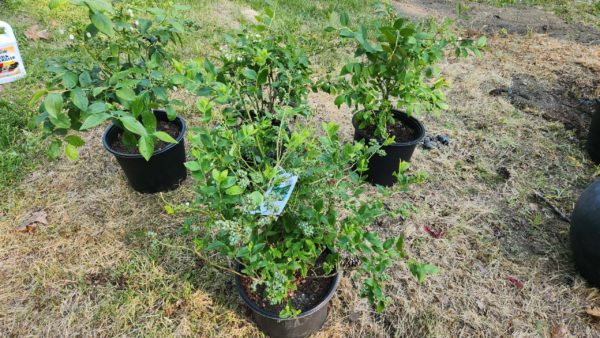
    blueberry plant types, low bush, high bush, blueberries, survival, growing food, gardening, self reliance

    3. Planting Techniques:
    Proper planting techniques are crucial for the healthy establishment of blueberry plants:

    a. Timing: Spring or early fall is the best time to plant blueberries. This allows the plants to develop a strong root system before facing extreme weather conditions.

    b. Spacing: Blueberry plants should be spaced 4 to 6 feet apart, allowing sufficient airflow and sunlight penetration. Rows should have a spacing of 8 to 10 feet. [NOTE: With my most recent planting I spaced them around 5-6 feet apart. So far, so good]

    c. Digging the Hole: Dig a hole at least 2X larger and deeper than the plant’s root ball. Gently loosen the roots and place the plant in the hole, ensuring it is at the same level as it was in the nursery container. Surround the plant with an excellent soil mixture to allow the roots to travel. Some will say a hole slightly larger than the root ball is fine. I recommend 2X.

    d. Backfilling: Fill the hole with the amended soil mixture, gently firming it around the roots. Avoid compacting the soil too tightly, as blueberries prefer well-draining soil.

    4. Fertilization:
    Blueberries have specific nutrient requirements for optimal growth and fruit production. Follow these guidelines:

    a. Organic Fertilizers: Utilize organic fertilizers formulated specifically for acid-loving plants. Apply them in early spring before new growth emerges, adhering to the manufacturer’s instructions.

    b. Avoid Overfertilization: Excessive nitrogen can lead to vigorous foliage growth at the expense of fruit production. Always follow the recommended application rates to prevent overfertilization.

    NOTE: Bone meal, good compost, and ammonium sulfate can be excellent fertilizers. Throwing some coffee grounds around your blueberry plants can be beneficial as well.
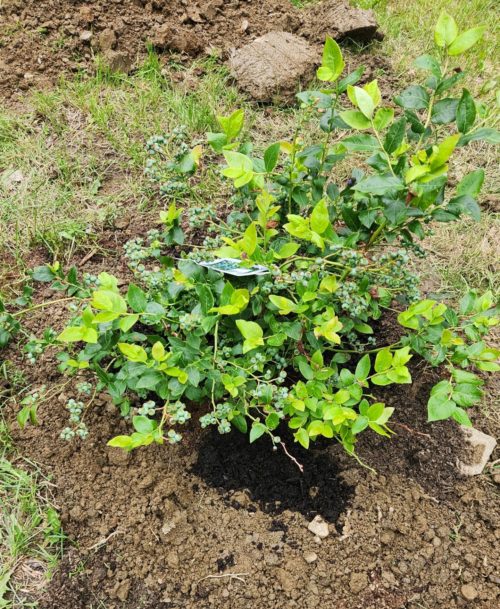
    5. Pollination:
    Blueberries are self-fertile, meaning they can produce fruit without cross-pollination. However, planting multiple varieties in your garden can enhance fruit set and yield. Encourage pollinators like bees by incorporating other flowering plants nearby.

    blueberries, survival gardening, shtf, prepper, preparedness, how to grow blueberries, homesteading, wild edibles,

    Success!!!!!!


    Time to Get Your Blueberry Plants!!
    Planting and growing your own blueberries can be rewarding and promotes self-sustainability that can provide sustenance for years to come. By remembering the steps outlined in this guide, you can better your chances of successfully growing your blueberry plants. Remember to prioritize soil acidity and fertility by incorporating appropriate organic amendments, use correct planting techniques, and fertilize to promote growth. So they even say talking to your plants helps. Not so sure about that! 😄

    Blueberries can be an excellent part of your homestead and survival garden. They also taste great in some blueberry muffins!! 👍

    Rourke

  • Excellent Book – Black Autumn

    Excellent Book – Black Autumn

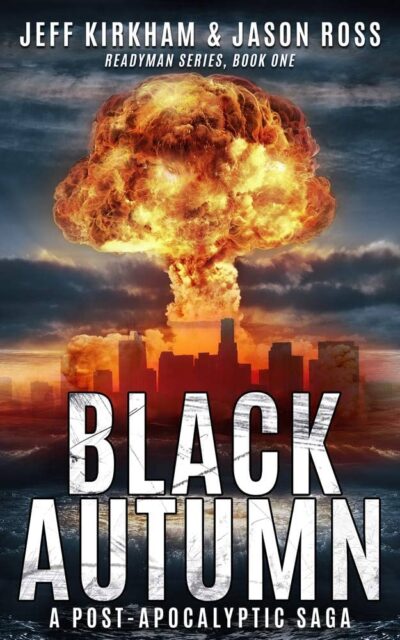
    Just finished Black Autumn, and I can’t stop thinking about it. The movie Homestead is based on this series. The story pulls you right into a post-apocalyptic world where everything’s falling apart, and a small community of people has to figure out how to survive against all odds. It’s got plenty of action, but what really stood out to me was how real and relatable it felt—like you’re right there with them as they build a homestead community, face tough choices, and fight to protect their homes.

    What I loved most is how it shows people pulling together in the worst of times. It’s not just about survival—it’s about teamwork, resilience, and what it takes to keep going when everything’s stacked against you. If you’re into stories about survival, prepping, or just seeing a glimpse of a possible future for all of us, this one’s worth a read. 🌾 Have you read it?

    https://amzn.to/40LSq1F

    By the way – there are several books in this series. I think I’m on Book 5 right now. Love it.

    Rourke
  • Food Prices Are Rising, Supply Chains Suffer

    Food Prices Are Rising, Supply Chains Suffer

    Food Prices Are Rising, Supply Chains Suffer – Growing As Much Of Our Own As I Can!

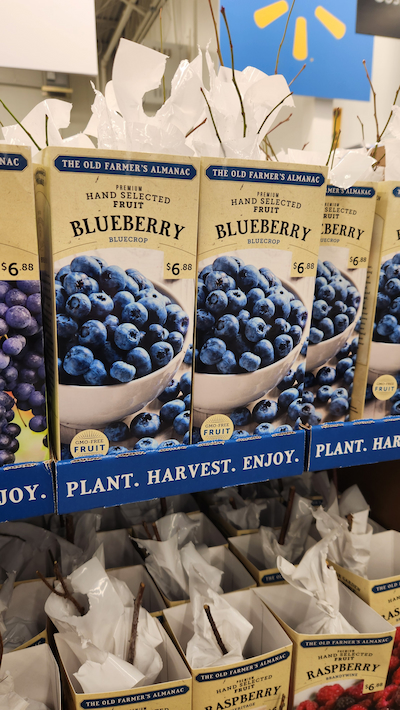
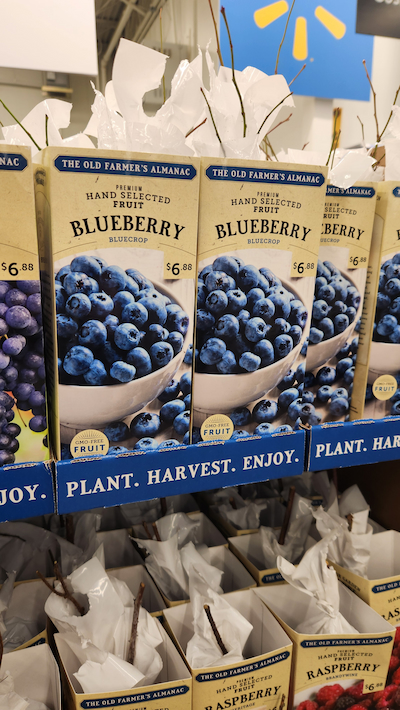
    Walmart has blueberry plants for just $6.88 right now! 🍇🌱 If you’ve been thinking about growing your own food, now’s the time to start. Blueberries are easy to grow, come back every year, and provide delicious, healthy fruit for your family. We planted 6 mature plants two years ago and looking to increase that by 8-12 this Spring. Additionally looking to add additional raspberries and blackberries.

    blueberry, blueberry plants, garden, gardening, survival, self reliance, diy, plant, prepper, prepare, prepared, homestead, homesteading

    Oh – seed potatoes are available now. Check your local farmer’s exchange for best pricing.

    Being prepared isn’t just about storing food—it’s about growing it too! Grab a few plants and seeds while they’re cheap and start building your food security.

    Do you garden?

    Take care all –

    Rourke
  • From the Desk of John Rourke – March 3rd, 2025

    From the Desk of John Rourke – March 3rd, 2025
    Folks – I’ve been away for a couple weeks. Maine Prepper Girl and I traveled to South Carolina and Georgia to visit family and friends. It was great, however, just too short and not able to spend the needed time with people we would like. My youngest son’s wife is expecting their first grandchild(my 4th) in March. It’s really cool watching them get ready for this next stage of their lives.

    You may not be aware, but my youngest son was married at 19 years old. He was married in Chimney Rock, NC right where Hurricane Helena caused such severe damage. Kass and I stayed right downtown where so many pictures were taken of the destruction.

    The trip south went well. We drove the 16 hour trip both ways(I don’t fly). The weather was fantastic when we arrived as it was 61 degrees on Dayh 1 and 59 on Day 2. This was quite a change compared to the teens and single digits in Maine. What this warmer weather did was get Kass and I talking about the upcoming gardening season as well as the chickens and greenhouse we will be getting. Kass will be building a chicken run and coop once school gets out(she’s a school nurse now). One of my summer projects is to build a small greenhouse.

    ◊ ◊ ◊ ◊ ◊

    Anyone seen this movie – Arcadian? It sounded interesting, and I am thinking of giving it a shot.

    ◊ ◊ ◊ ◊ ◊

    Over the past couple of months, Walmart has had crossbow arrows on clearance. I’ve managed to accumulate about 12 to goo along with what I already had.

    I’ve been meaning to do a review on this crossbow and maybe a video to talk about it and good deals you can get if you have patience. This Barnet was bought on eBay for $60. It didn’t come with a scope and grabbed a used one off eBay for about $20. I wanted a recurve as I wanted to stay away from the complexity of a compound. Extra string and the aforementioned arrows I believe have rounded out a pretty good system.

    Oh – I also bought several packs of broadheads on clearance for $5 for a set of 3. Great deal!

    So much fun shooting this thing!

    ◊ ◊ ◊ ◊ ◊

    So – Trump has been office for a bit more than a month and I am shocked at the level of true aggressive and needed change that has happened. In such a short time so many of things that many of us have hoped for is actually taking place. Actually – many things I never imagined are taking place. I’m so impressed. Of course not everything is happening exactly as I wish, but, in such a short time I could not be more thrilled.

    One thing I’d like to see are charges against the corruption that we know has taken place. Maybe that will happen.

    ◊ ◊ ◊ ◊ ◊

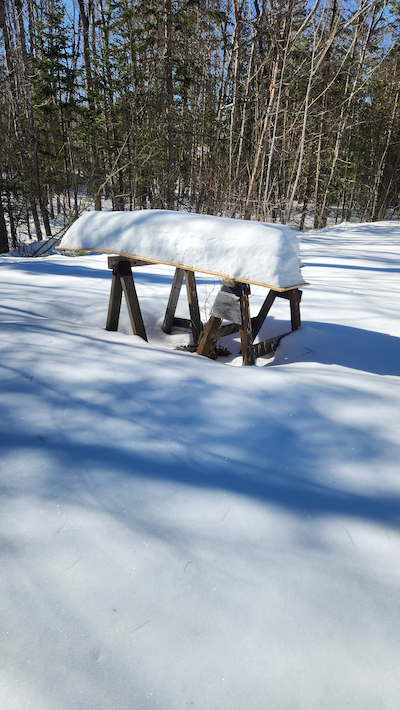
    We’ve had a little snow this year…. 🙂

    ◊ ◊ ◊ ◊ ◊

    As we inch closer to gardening season, we are looking at really ramping up our efforts for food production as well as improving our overall system. Adding fruit bushes and trees is a major component.

    We planted several young blueberry bushes 2 years ago and have had good production. Blueberries grow well in Maine and now I’m thinking of adding upwards of 8-10 more plants focusing on future growth. In addition to blueberry, raspberry, blackberry, elderberry, and echinacea, are also planned.

    We have 4 apple trees and one peach tree. Likely we will add 2-3 more apple trees.

    ◊ ◊ ◊ ◊ ◊

    As I’m typing this I just completed some meal prep for the week. Every Sunday Kass and I get ready for the work-week and this includes making certain meals and making sure we have what we need for the week. We often make breakfast sandwiches, which often consist of eggs, cheese, bacon and/or ham, on an English muffin. Salt, pepper, and garlic salt are usually added.

    Going through the drive-thru at Mc Donalds and grabbing an Egg McMuffin with hashbrowns and drink runs upwards of $11. Homemade meal? Much less and healthier.

    ◊ ◊ ◊ ◊ ◊

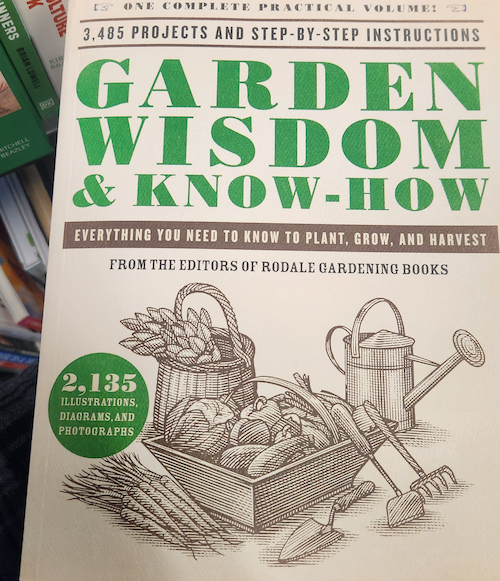
    Something I’ve been doing recently is going to Tractor Supply and other businesses and looking at books. These books are related to farming, home improvement, homesteading, raising animals, gardening, bee-keeping, etc. Books today are crazy expensive, so if I see something I would like to enjoy and if the cost is what I would consider excessive I’ll look on eBay and see if I can find a used copy cheaper. Often I’ll find a used copy and sometimes a brand new copy much cheaper.

    This is allowing us to build an extensive physical preparedness library.

    ◊ ◊ ◊ ◊ ◊

    I recently had a comment from someone related to an article I published where I spoke of my dissatisfaction of traffic to this website and my feeling that I must change something to either get more visitors and engagement – or move to do something else. This comment suggested that it was ridiculous to complain that I am not getting an increase in traffic when I am only posting once per week.

    Initially the comment got me pissed off. Knowing I don’t make the best decisions when I am upset, I waited and came to the conclusion that the comment was irritating – and 100% correct.

    When I ran my previous website, it became one of the most popular survival and preparedness websites in existence, I was posting at a minimum daily. Sometimes twice per day. I should not expect the same traffic if the material which people are wanting to read shows up less frequently.

    Yup – I agree. So – I need to publish more often.

    ◊ ◊ ◊ ◊ ◊

    Ok folks. I hope everyone had a great week. Stay safe!!

    Rourke
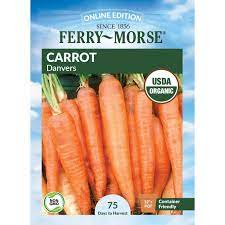
    line
    [ecwid widgets=”productbrowser” default_category_id=”0″ default_product_id=”0″ minicart_layout=”MiniAttachToProductBrowser”]