Tag: retreat

  • Retreat Medical Station Part 2 of 2

    Retreat Medical Station Part 2 of 2

    retreat, medical, station, first aid, SHTF

    I previously published this a few years ago and with new people visiting the site thought it would be a good idea to bring it back around. – Rourke

    Will you have what you need in a medical situation or emergency if one arises and there is nobody to call for help? No 911, no ambulance, no hospital; just you and the supplies you have. That thought should guide you as you plan for what you will need at a home/retreat in the event of an SHTF situation. Keep in mind that you may have more than just your immediate family to care for. Getting medications in children’s strengths and in chewable or liquid forms should also be considered.  

    Here’s a list that can get you started:

    Medications:

    • Antacids- Omeprazole (Prilosec OTC) is something that you can take daily to help prevent acid reflux, this medication is not for treatment of current heartburn and may take 1-4 days to start working. For occasional heartburn or indigestion get some chewable antacids such as TUMS. 
    • Antibiotics- Fish antibiotics are stocked by some preppers as a replacement for antibiotics that are prescribed by physicians. Not every antibiotic will kill every bacteria. Without knowing the type of bacteria you are fighting you should use a broad-spectrum antibiotic such as Ampicillin or Amoxicillin. These can sometimes be found at farm supply stores such as Tractor Supply and various online sites.
    • Antibiotic cream- Neosporin ointment can be used on a clean wound to help prevent infection from a burn, scratch, cut that could become infected. 
    • Antidiarrheals– Pepto-Bismol and Imodium are common upset stomach medications. If your food storage diet does not parallel your normal diet gastronomical issues could become an issue.
    • Anti-fungal cream– This will treat skin infections caused by a fungus. For example, ringworm, diaper rash, athletes foot, and jock itch.
    • Antihistamines- Diphenhydramine aka Benadryl helps with nausea, sleep and most importantly an allergic reaction. Keep Benadryl liquid as well as tablets on hand. If someone is having an allergic reaction liquid will work faster. There are also chewable tabs available for kids (and some adults) who can’t swallow pills. These can also assist those struggling to sleep get the rest they need.
    • Antivirals- Abreva is an over the counter ointment used for herpes simplex virus that causes cold sores on the face and or lips to keep on hand. Antiviral medications that are taken for the flu, shingles, and chickenpox are only available via prescription. 
    • Eye Rinse//irrigations
    • Nasal Sprays
    • Pain/fever relievers – Examples of these are Acetaminophen aka Tylenol or Ibuprofen aka Motrin or Advil. Aspirin is also used as pain/fever relievers and is also used as a blood thinner. Aspirin in the form of a chewable 81mg tab is also used at the onset of chest pain because of its anti-clotting properties.
    • Wound cleaner- Anytime you get an abrasion it is imperative that the first thing you do is clean the area. If soap and water are unavailable Bactine spray works great. Hydrogen peroxide and rubbing alcohol are not recommended as they delay healing by damaging healthy tissue, however, they can be effective in killing bacteria from surfaces such as tweezers or hands. 


    Supplies:

    • Bandages- Different sizes and shapes
    • Crutches
    • Face masks
    • Gauze- Variety of sizes
    • Ice packs- (Instant cold packs that that will activate with a squeeze will be very useful)
    • Scissors
    • Skin Glue (New Skin)
    • Splints- Different sizes and types (I really like SAM splints)
    • Syringes – Different sizes and types, as well as diabetic syringes, could be beneficial
    • Tapes- Different sizes and types (transpore tape, silk tape, medipore tape
    • Thermometers
    • Tweezers- Different styles and sizes

    Trauma items:


    Special Considerations:

    • EpiPen
    • Glucose Tabs
    • Glucose monitor
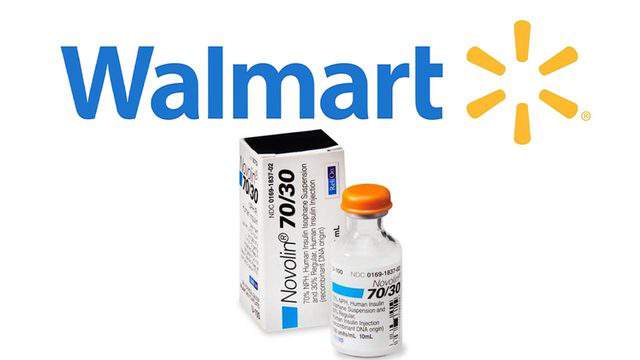
    • Insulin- For those who want to stock insulin there is a brand called ReliOn that is sold over the counter at Walmart’s pharmacy. Like all insulin, it needs to be refrigerated. Any diabetic who considers using this needs to speak with their provider to get guidance on what dose is needed. 
    walmart, insulin, SHTF, retreat, preparedness

    All items listed are good to keep at the retreat, at home, as well as in a bag. Keep your stock updated in regards to expiration dates. The sterility of sterile items could be compromised if you keep them past the expiration date or they are exposed to extreme hot or cold. Giving someone an infection when you were only trying to help could definitely cause unneeded use of resources and time. If the SHTF you would want the freshest things possible to start.

     As with any medication, you should seek the advice of a medical expert. Know the side effects of medications, contraindications of use and look for adverse reactions after medication or treatment has been given. 
    first aid, preparedness, medical, SHTF, retreat

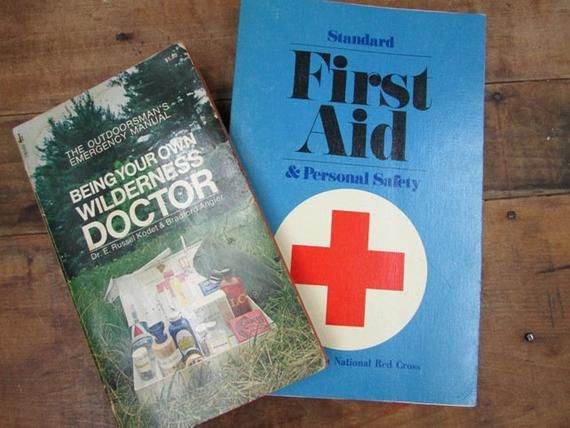
    Being prepared for a medical emergency doesn’t just mean collect as many items as possible, it means becoming knowledgeable as well. Find out what your local hospital offers for CPR/First Aid classes and get books to keep as reference guides in the event there is no internet. First aid and basic medical knowledge is a prep that is valuable at any time, no matter the situation or state of our country. 
    first aid, medical, books, retreat, preparedness

    I look forward to seeing comments and additions to this list from the readers!

    Stay Healthy!

    Maine Prepper Girl
    Maine, prepper, girl, MainePrepperGirl

    ONLY $36.99 with Free Shipping

  • Retreat Medical Station Part 1 of 2

    Retreat Medical Station Part 1 of 2

    first aid, medical, preparedness, retreat, SHTF

    I previously published this a few years ago and with new people visiting the site thought it would be a good idea to bring it back around. – Rourke

    Being without much-needed medical supplies when you need them is scary. While working as a nurse outside the hospital setting people often looked to me for medical advice. Not having the convenience of a physician or other trained medical personnel when health issues arose made me plan two or three steps ahead for things that could potentially happen. Making sure that I had the necessary first aid supplies and continually updating those supplies was the one thing that I could control. 

    retreat, SHTF, survival, first aid, medical

    For the purpose of this article, let us assume that your first aid kit will be at a climate-controlled retreat location, although keep in mind moving at a moment’s notice could be possible. If your supplies ever have to be moved or are exposed to extremely high or low temperatures remember that this could affect the efficacy of medications or sterility of some items. Rotating your supply and keeping a spreadsheet with expiration dates is a great way to see what items you may want to replace. Supplies that have expired may also have compromised sterility or efficacy, although I would agree that if the SHTF an expired something is better than nothing. 

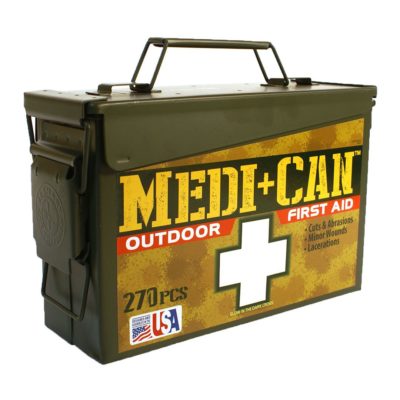
    There are many things to consider when deciding what kind of first aid kit is best for you. I would recommend getting a standard first aid kit and building on that is one of the best ways to get started. Prepackaged first-aid kits on Amazon with 4 plus star reviews that will get you started and you can personalize to meet your needs are as follows. – – – > https://amzn.to/2OSu0y7  – Hey, first aid supplies in an ammo can….COOL!!!!

    ammo an, first aid kit

    This one is small, less than $20, and has over a hundred reviews.  – – – – > https://amzn.to/37tyMZb

    Both of the above kits can be made better with the addition of a good compression bandage.

    Get one big enough for the number of people you think you will be with and then add a few, you can never be too prepared in the area of first aid as you never know when you will be able to get more or who or what situation you may be faced with. Again, keep in mind that supplies expire and the sterility of supplies or the efficacy of some medications could be affected if past the expiration date. 

    I know that we said this first aid kit was assuming you would be at a retreat location, however, keeping a waterproof bag for transportation of medical supplies handy if such an occasion arises could be a potentially life-saving idea. If you have to leave, leaving first aid supplies behind would not be wise. Also, consider keeping a lunch box or something you can put items that may need to stay cool in just in case. If an ice pack is not available you could use an instant ice pack for transport. They are nice to have for injuries too! This is an instant ice pack that has a 4-star rating and you can choose from a couple of different sizes.  – – – – > https://amzn.to/37tzt4J

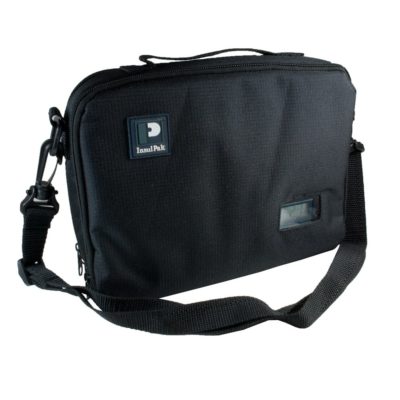
    This bag is small and can keep things cool if not exposed to extreme outside heat or you can add an ice pack. Again, you need to consider what you will need to carry and how much.  – – – > https://amzn.to/2wfzqgd


    This bag claims to keep things cool for 30 hours and even shows the temp. 30 hours!!!! – – – > https://amzn.to/37q4K91

    medical, first aid, survival, SHTF, first aid, retreat

    These are only suggestions and a way of getting you to think about what you may need and a quick way to get started on your retreat medical station. Watch for an upcoming article about medications to consider and advanced medical supplies. Until then, start making a list, read reviews on products, check expiration dates when you can and ask a lot of questions if you are unsure. 

    Coronavirus: With the influx of concern regarding coronavirus and related viruses, the addition of medical face masks and other PPE(personal protective equipment) would be prudent. Disinfectant materials such as Clorox wipes and antiseptics such as rubbing alcohol should be stocked up. There is no shortage of information available on the Internet for preparing for pandemics.

    Stay Healthy!

    Maine Prepper Girl

    Maine, prepper, girl, MainePrepperGirl


    ONLY $36.99 with Free Shipping

  • Retreat Medical Station Part 2 of 2

    Retreat Medical Station Part 2 of 2

    retreat, medical, station, first aid, SHTF

    Will you have what you need in a medical situation or emergency if one arises and there is nobody to call for help? No 911, no ambulance, no hospital; just you and the supplies you have. That thought should guide you as you plan for what you will need at a home/retreat in the event of an SHTF situation. Keep in mind that you may have more than just your immediate family to care for. Getting medications in children’s strengths and in chewable or liquid forms should also be considered.  

    Here’s a list that can get you started:

    Medications:

    • Antacids- Omeprazole (Prilosec OTC) is something that you can take daily to help prevent acid reflux, this medication is not for treatment of current heartburn and may take 1-4 days to start working. For occasional heartburn or indigestion get some chewable antacids such as TUMS. 
    • Antibiotics- Fish antibiotics are stocked by some preppers as a replacement for antibiotics that are prescribed by physicians. Not every antibiotic will kill every bacteria. Without knowing the type of bacteria you are fighting you should use a broad-spectrum antibiotic such as Ampicillin or Amoxicillin. These can sometimes be found at farm supply stores such as Tractor Supply and various online sites.
    • Antibiotic cream- Neosporin ointment can be used on a clean wound to help prevent infection from a burn, scratch, cut that could become infected. 
    • Antidiarrheals– Pepto-Bismol and Imodium are common upset stomach medications. If your food storage diet does not parallel your normal diet gastronomical issues could become an issue.
    • Anti-fungal cream– This will treat skin infections caused by a fungus. For example, ringworm, diaper rash, athletes foot, and jock itch.
    • Antihistamines- Diphenhydramine aka Benadryl helps with nausea, sleep and most importantly an allergic reaction. Keep Benadryl liquid as well as tablets on hand. If someone is having an allergic reaction liquid will work faster. There are also chewable tabs available for kids (and some adults) who can’t swallow pills. These can also assist those struggling to sleep get the rest they need.
    • Antivirals- Abreva is an over the counter ointment used for herpes simplex virus that causes cold sores on the face and or lips to keep on hand. Antiviral medications that are taken for the flu, shingles, and chickenpox are only available via prescription. 
    • Eye Rinse//irrigations
    • Nasal Sprays
    • Pain/fever relievers – Examples of these are Acetaminophen aka Tylenol or Ibuprofen aka Motrin or Advil. Aspirin is also used as pain/fever relievers and is also used as a blood thinner. Aspirin in the form of a chewable 81mg tab is also used at the onset of chest pain because of its anti-clotting properties.
    • Wound cleaner- Anytime you get an abrasion it is imperative that the first thing you do is clean the area. If soap and water are unavailable Bactine spray works great. Hydrogen peroxide and rubbing alcohol are not recommended as they delay healing by damaging healthy tissue, however, they can be effective in killing bacteria from surfaces such as tweezers or hands. 


    Supplies:

    • Bandages- Different sizes and shapes
    • Crutches
    • Face masks
    • Gauze- Variety of sizes
    • Ice packs- (Instant cold packs that that will activate with a squeeze will be very useful)
    • Scissors
    • Skin Glue (New Skin)
    • Splints- Different sizes and types (I really like SAM splints)
    • Syringes – Different sizes and types, as well as diabetic syringes, could be beneficial
    • Tapes- Different sizes and types (transpore tape, silk tape, medipore tape
    • Thermometers
    • Tweezers- Different styles and sizes

    Trauma items:


    Special Considerations:

    • EpiPen
    • Glucose Tabs
    • Glucose monitor
    • Insulin- For those who want to stock insulin there is a brand called ReliOn that is sold over the counter at Walmart’s pharmacy. Like all insulin, it needs to be refrigerated. Any diabetic who considers using this needs to speak with their provider to get guidance on what dose is needed. 

    walmart, insulin, SHTF, retreat, preparedness

    All items listed are good to keep at the retreat, at home, as well as in a bag. Keep your stock updated in regards to expiration dates. The sterility of sterile items could be compromised if you keep them past the expiration date or they are exposed to extreme hot or cold. Giving someone an infection when you were only trying to help could definitely cause unneeded use of resources and time. If the SHTF you would want the freshest things possible to start.

     As with any medication, you should seek the advice of a medical expert. Know the side effects of medications, contraindications of use and look for adverse reactions after medication or treatment has been given. 

    first aid, preparedness, medical, SHTF, retreat

    Being prepared for a medical emergency doesn’t just mean collect as many items as possible, it means becoming knowledgeable as well. Find out what your local hospital offers for CPR/First Aid classes and get books to keep as reference guides in the event there is no internet. First aid and basic medical knowledge is a prep that is valuable at any time, no matter the situation or state of our country. 

    first aid, medical, books, retreat, preparedness

    I look forward to seeing comments and additions to this list from the readers!

    Stay Healthy!

    Maine Prepper Girl

    Maine, prepper, girl, MainePrepperGirl

  • Retreat Medical Station Part 1 of 2

    Retreat Medical Station Part 1 of 2

    first aid, medical, preparedness, retreat, SHTF

    Being without much needed medical supplies when you need them is scary. While working as a nurse outside the hospital setting people often looked to me for medical advice. Not having the convenience of a physician or other trained medical personnel when health issues arose made me plan two or three steps ahead for things that could potentially happen. Making sure that I had the necessary first aid supplies and continually updating those supplies was the one thing that I could control. 

    retreat, SHTF, survival, first aid, medical

    For the purpose of this article, let us assume that your first aid kit will be at a climate-controlled retreat location, although keep in mind moving at a moment’s notice could be possible. If your supplies ever have to be moved or are exposed to extremely high or low temperatures remember that this could affect the efficacy of medications or sterility of some items. Rotating your supply and keeping a spreadsheet with expiration dates is a great way to see what items you may want to replace. Supplies that have expired may also have compromised sterility or efficacy, although I would agree that if the SHTF an expired something is better than nothing. 

    There are many things to consider when deciding what kind of first aid kit is best for you. I would recommend getting a standard first aid kit and building on that is one of the best ways to get started. Prepackaged first aid kits on Amazon with 4 plus star reviews that will get you started and you can personalize to meet your needs are as follows. – – – > https://amzn.to/2OSu0y7  – Hey, first aid supplies in an ammo can….COOL!!!!

    ammo an, first aid kit

    This one is small, less than $20 and has over a hundred reviews.  – – – – > https://amzn.to/37tyMZb

    Both of the above kits can be made better with the addition of a good compression bandage.

    Get one big enough for the number of people you think you will be with and then add a few, you can never be too prepared in the area of first aid as you never know when you will be able to get more or who or what situation you may be faced with. Again, keep in mind that supplies expire and the sterility of supplies or the efficacy of some medications could be affected if past the expiration date. 

    I know that we said this first aid kit was assuming you would be at a retreat location, however, keeping a waterproof bag for transportation of medical supplies handy if such an occasion arises could be a potentially life-saving idea. If you have to leave, leaving first aid supplies behind would not be wise. Also, consider keeping a lunch box or something you can put items that may need to stay cool in just in case. If an ice pack is not available you could use an instant ice pack for transport. They are nice to have for injuries too! This is an instant ice pack that has a 4-star rating and you can choose from a couple of different sizes.  – – – – > https://amzn.to/37tzt4J

    This bag is small and can keep things cool if not exposed to extreme outside heat or you can add an ice pack. Again, you need to consider what you will need to carry and how much.  – – – > https://amzn.to/2wfzqgd


    This bag claims to keep things cool for 30 hours and even shows the temp. 30 hours!!!! – – – > https://amzn.to/37q4K91

    medical, first aid, survival, SHTF, first aid, retreat

    These are only suggestions and a way of getting you to think about what you may need and a quick way to get started on your retreat medical station. Watch for an upcoming article about medications to consider and advanced medical supplies. Until then, start making a list, read reviews on products, check expiration dates when you can and ask a lot of questions if you are unsure. 

    Coronavirus: With the influx of concern regarding coronavirus and related virus’s, the addition of medical face masks and other PPE(personal protective equipment) would be prudent. Disinfectant materials such as Clorox wipes and antiseptics such as rubbing alcohol should be stocked up. There is no shortage of information available on the Internet for preparing for pandemics.

    Stay Healthy!

    Maine Prepper Girl

    Maine, prepper, girl, MainePrepperGirl


  • Retreat Arrival Checklist

    Retreat Arrival Checklist


    I’ve been asked several times about when something happens and people first arrive at a retreat location. Questions usually come up regarding who does what and when. Granted situation details will dictate quite a bit but having some form of checklist will help remember things, decrease stress, and allow people to use their brains for thinking.

    Here is one example that is broken up into days for the first week or so.

    Day 1 Checklist – first 24 hours upon arrival:

    • Injuries? Check and treat.
    • Gather facts from all group members
      • What has been seen and where?
      • What has been heard? Source?
      • Make sure everyone is informed and educated on all information.
      • Notes should be taken to reference later rather than relying on memory.
    • Determine potential threats if any? If so set up security watch right away.
    • Get someone on commo to gain intelligence/information. This includes internet/radio/TV/social media/Ham/CB
    • Inventory all supplies brought to retreat by members to add to inventory lists
    • How much combined cash/silver/gold is on hand?
    • If safe – formulate a supply run(s) to purchase additional supplies while the ability still exists(see “Supply Run Checklist” – coming soon)
    • Get an inventory of all fuel.
      • How much is in each vehicle in gallons?
      • How much is currently stored?
      • Is it safe to go out for more? If so go get some. Get back quickly.
      • How much propane?
      • How much charcoal?
    • If electricity is still on get all rechargeable batteries into a charger.
    • Water running? If so fill all available containers.
    • Set up sleeping arrangements at a minimum on a temporary basis.
    • Cook a large, filling dinner – important for moral


    Day 2-3 Checklist:

    • House rules – all determined by property owner
    • Get pet’s situated that were brought to the retreat
    • Everyone has communication methods on their body if they venture away from retreat more than “normal voice distance”
    • Set up Security/Patrol schedules
    • Get solar systems set up and running
    • Set up potable water dispenser
    • Based on current condition install light and sound discipline
    • Set up water filtration methods
    • Set up alternative bathroom facilities
    • Set up bathroom/sanitation schedule
    • Camouflage driveway entrance  
    • Set up medical station for self-treatment of minor cuts, burns, and scrapes
    • Determine any specific projects that need attention and seek volunteers/assign duties
    • Reach out to family and friends  – OPSEC!!!!


    Day 3-7 Checklist:

    • Determine outward patrol location and schedule
    • Set up LPOP areas
    • Set up defensive position and assign members to areas
    • Review communication protocols between members in defensive situations
    • Determine procedure for dealing with strangers/approaching people
    • Gather and set up rain gear/clothing
    • Doublecheck food inventory to determine how many days available for group


    Any other suggestions? Thoughts?

    Rourke

  • Retreat Arrival Checklist

    Retreat Arrival Checklist

    I’ve been asked several times about when something happens and people first arrive at a retreat location. Questions usually come up regarding who does what and when. Granted situation details will dictate quite a bit but having some form of checklist will help remember things, decrease stress, and allow people to use their brains for thinking.

    Here is one example that is broken up into days for the first week or so.

    Day 1 Checklist – first 24 hours upon arrival:

    • Injuries? Check and treat.
    • Gather facts from all group members
      • What has been seen and where?
      • What has been heard? Source?
      • Make sure everyone is informed and educated on all information.
      • Notes should be taken to reference later rather than relying on memory.
    • Determine potential threats if any? If so set up security watch right away.
    • Get someone on commo to gain intelligence/information. This includes internet/radio/TV/social media/Ham/CB
    • Inventory all supplies brought to retreat by members to add to inventory lists
    • How much combined cash/silver/gold is on hand?
    • If safe – formulate a supply run(s) to purchase additional supplies while the ability still exists(see “Supply Run Checklist” – coming soon)
    • Get an inventory of all fuel.
      • How much is in each vehicle in gallons?
      • How much is currently stored?
      • Is it safe to go out for more? If so go get some. Get back quickly.
      • How much propane?
      • How much charcoal?
    • If electricity is still on get all rechargeable batteries into a charger.
    • Water running? If so fill all available containers.
    • Set up sleeping arrangements at a minimum on a temporary basis.
    • Cook a large, filling dinner – important for moral


    Day 2-3 Checklist:

    • House rules – all determined by property owner
    • Get pet’s situated that were brought to the retreat
    • Everyone has communication methods on their body if they venture away from retreat more than “normal voice distance”
    • Set up Security/Patrol schedules
    • Get solar systems set up and running
    • Set up potable water dispenser
    • Based on current condition install light and sound discipline
    • Set up water filtration methods
    • Set up alternative bathroom facilities
    • Set up bathroom/sanitation schedule
    • Camouflage driveway entrance  
    • Set up medical station for self-treatment of minor cuts, burns, and scrapes
    • Determine any specific projects that need attention and seek volunteers/assign duties
    • Reach out to family and friends  – OPSEC!!!!


    Day 3-7 Checklist:

    • Determine outward patrol location and schedule
    • Set up LPOP areas
    • Set up defensive position and assign members to areas
    • Review communication protocols between members in defensive situations
    • Determine procedure for dealing with strangers/approaching people
    • Gather and set up rain gear/clothing
    • Doublecheck food inventory to determine how many days available for group


    Any other suggestions? Thoughts?

    Rourke

  • What If You Had To Stay In a Bunker For 2 Weeks?

    What If You Had To Stay In a Bunker For 2 Weeks?


    From the “Q & A” post yesterday Methane asked the following question:

    If you had to stay in a bunker for 2+ weeks due to nuclear attack, what would be some of the supplies you would ensure to have besides food/water? After watching “ALONE”, I wonder if I could survive with only 1 other person in solitaire.

    Questions like this can really get you thinking. Now the question specifically references nuclear attack so there are certainly items revolving around that situation. Beyond that many items could be useful for numerous unfortunate events.

    Here are a few things I’ve thought about…..

    Radiation detection equipment

    entertainment – PSP game system, portable DVD player with DVD’s, games, etc.

    flashlights

    batteries

    radio

    pictures of loved ones

    Bible

    comfortable bed

    pen and paper

    Chuck Norris

    cold beer

    clean clothes

    deodorant

    chocolate

    place to go to the bathroom

    spare glasses

    toothbrush/toothpaste

    Bacon……lot’s of bacon.

    Just a few ideas’s. How about you?

    Rourke

  • Retreat Arrival Checklist

    Retreat Arrival Checklist

    I’ve been asked several times about when something happens and people first arrive to a retreat location. Questions usually come up regarding who does what and when. Granted situation details will dictate quite a bit but having some form of checklist will help remember things, decrease stress, and allow people to use their brains for thinking.

    Here is one example that is broken up into days for the first week or so.

    Day 1 Checklist – first 24 hours upon arrival:

    • Injuries? Check and treat.
    • Gather facts from all groups members
      • What has been seen and where?
      • What has been heard? Source?
      • Make sure everyone is informed and educated on all information.
      • Notes should be taken to reference later rather than relying on memory.
    • Determine potential threats if any? If so set up security watch right away.
    • Get someone on commo to gain intelligence/information. This includes internet/radio/TV/social media/Ham/CB
    • Inventory all supplies brought to retreat by members to add to inventory lists
    • How much combined cash/silver/gold is on hand?
    • If safe – formulate a supply run(s) to purchase additional supplies while the ability still exists(see “Supply Run Checklist” – coming soon)
    • Get inventory of all fuel.
      • How much is in each vehicle in gallons?
      • How much is currently stored?
      • Is it safe to go out for more? If so go get some. Get back quickly.
      • How much propane?
      • How much charcoal?
    • If electricity is still on get all rechargeable batteries into a charger.
    • Water running? If so fill all available containers.
    • Set up sleeping arrangements at a minimum on a temporary basis.
    • Cook a large, filling dinner – important for moral


    Day 2-3 Checklist:

    • House rules – all determined by property owner
    • Everyone has communication methods on their body if they venture away from retreat more than “normal voice distance”
    • Set up Security/Patrol schedules
    • Get solar systems set up and running
    • Set up water filtration methods
    • Set up alternative bathroom facilities
    • Set up bathroom/sanitation schedule
    • Camouflage driveway entrance  
    • Set up medical station for self treatment of minor cuts, burns, and scrapes
    • Determine any specific projects that need attention and seek volunteers/assign duties
    • Reach out to family and friends  – OPSEC!!!!


    Day 3-7 Checklist:

    • Determine outward patrol location and schedule
    • Set up LPOP areas
    • Set up defensive position and assign members to areas
    • Review communication protocols between members in defensive situations
    • Determine procedure for dealing with strangers/approaching people
    • Gather and set up rain gear/clothing
    • Doublecheck food inventory to determine how many days available for group


    Any other suggestions? Thoughts?

    Rourke

  • VIDEO: One Way Poor People Can Buy Land With No Money

    VIDEO: One Way Poor People Can Buy Land With No Money

    For many – including myself – the need to buy land and create a retreat/homestead/getaway is felt down to the core. Money – or lack thereof is the most common reason why it doesn’t happen. I came across this video from Becky’s Homestead with some suggestions on how to reach your goal with very little money.

    Although the title suggests no money is needed obviously landowners are not lining up to give away their land. I have read the book Dirt-Cheap Survival Retreat and the author makes some similar suggestions. In the right circumstances it does work.

    JR


    *   *   *   *   *   *   *   *   *   *   *   *   *   *   *   *

    A Few Recommendations