Tag: ham radio

  • List of Common Radio Frequencies for the Baofeng UV-5R

    List of Common Radio Frequencies for the Baofeng UV-5R

    Communication at the retreat, off the grid, or on the farm is essential and does not have to be extremely expensive or overly complicated.

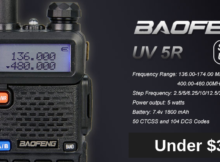
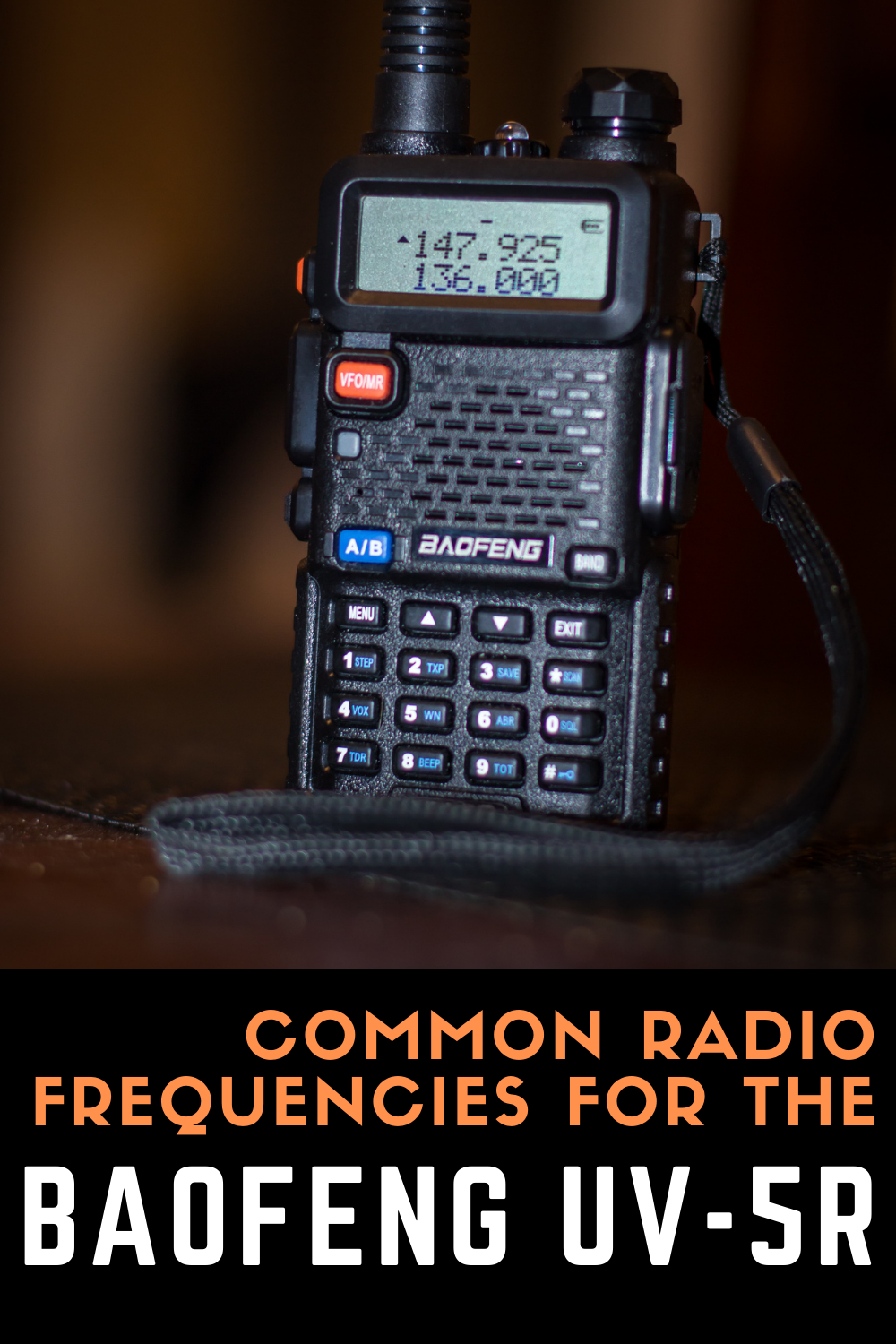
    For less than the cost of a decent dinner out for two people a full-featured short to medium distance communication tool – the Baofeng UV-5R – can be purchased. Extremely popular, the Baofeng is a compact, handheld radio capable of transmitting with 4 watts of power across 136-174 MHz and 400-480 MHz frequencies. It can be programmed with up to 128 channels.

    The Baofeng is a ham radio. Transmitting on this radio requires a license in order to do so legally. There are lots of places on the ‘net to get more information on that. The purpose of this post is to provide an assortment of useful frequencies the Baofeng can be programmed for.

    Did you know the Baofeng also receives FM radio? Pretty cool and useful.

    Did you know the Baofeng has a built-in flashlight? Yeah – pretty neat.

    For the money, the Baofeng UV-5R and similar models are a great deal.


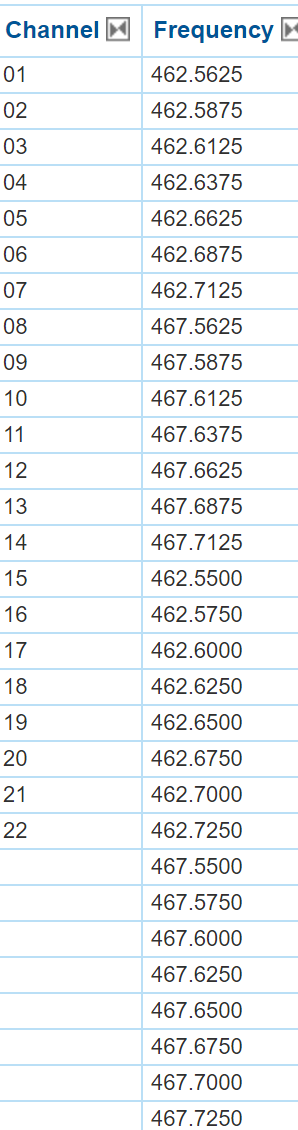
    FRS/GMRS Frequencies 
    frs, gmrs, 2017, frequencies, baofeng,


    MURS Radio Frequencies

    151.820 Mhz
    151.880 Mhz
    151.940 Mhz
    154.570 Mhz
    154.600 Mhz


    NOAA Weather Radio Frequencies

     WX1         --     162.550   
     WX2         --     162.400
     WX3         --     162.475
     WX4         --     162.425
     WX5         --     162.450
     WX6         --     162.500
     WX7         --     162.525


    Commercial “DOT” Frequencies

    151.625 Red Dot
    154.570 Blue Dot
    154.600 Green Dot
    151.955 Purple Dot
    464.550 Yellow Dot
    464.500 Brown Dot
    467.7625 J Dot
    467.8125 KDot
    467.8500 Silver Star
    467.8750 Gold Star
    467.9000 Red Star
    467.9250 Blue Star


    Marine VHF Designated Frequencies
    Channel Number Ship Transmit
    MHz
    Ship Receive
    MHz
    Intended And Designated Use
    01A 156.050 156.050 Port Operations and Commercial, VTS.  Available only in New Orleans / Lower Mississippi area.
    05A 156.250 156.250 Port Operations or VTS in the Houston, New Orleans and Seattle areas.
    06 156.300 156.300 Intership Safety
    07A 156.350 156.350 Commercial
    08 156.400 156.400 Commercial (Intership only)
    09 156.450 156.450 Boater Calling.  Commercial and Non-Commercial.
    10 156.500 156.500 Commercial
    11 156.550 156.550 Commercial.  VTS in selected areas.
    12 156.600 156.600 Port Operations.  VTS in selected areas.
    13 156.650 156.650 Intership Navigation Safety (Bridge-to-bridge).  Ships >20m length maintain a listening watch on this channel in US waters.
    14 156.700 156.700 Port Operations.  VTS in selected areas.
    15 156.750 Environmental (Receive only).  Used by Class C EPIRBs.
    16 156.800 156.800 International Distress, Safety and Calling.  Ships required to carry radio, USCG, and most coast stations maintain a listening watch on this channel.
    17 156.850 156.850 State Control
    18A 156.900 156.900 Commercial
    19A 156.950 156.950 Commercial
    20 157.000 161.600 Port Operations (duplex)
    20A 157.000 157.000 Port Operations
    21A 157.050 157.050 U.S. Coast Guard only
    22A 157.100 157.100 Coast Guard Liaison and Maritime Safety Information Broadcasts.   Broadcasts announced on channel 16.
    23A 157.150 157.150 U.S. Coast Guard only
    24 157.200 161.800 Public Correspondence (Marine Operator)
    25 157.250 161.850 Public Correspondence (Marine Operator)
    26 157.300 161.900 Public Correspondence (Marine Operator)
    27 157.350 161.950 Public Correspondence (Marine Operator)
    28 157.400 162.000 Public Correspondence (Marine Operator)
    63A 156.175 156.175 Port Operations and Commercial, VTS.  Available only in New Orleans / Lower Mississippi  area.
    65A 156.275 156.275 Port Operations
    66A 156.325 156.325 Port Operations
    67 156.375 156.375 Commercial.  Used for Bridge-to-bridge communications in lower Mississippi River.  Intership only.
    68 156.425 156.425 Non-Commercial
    69 156.475 156.475 Non-Commercial
    70 156.525 156.525 Digital Selective Calling (voice communications not allowed)
    71 156.575 156.575 Non-Commercial
    72 156.625 156.625 Non-Commercial (Intership only)
    73 156.675 156.675 Port Operations
    74 156.725 156.725 Port Operations
    77 156.875 156.875 Port Operations (Intership only)
    78A 156.925 156.925 Non-Commercial
    79A 156.975 156.975 Commercial.  Non-Commercial in Great Lakes only
    80A 157.025 157.025 Commercial.  Non-Commercial in Great Lakes only
    81A 157.075 157.075 U.S. Government only – Environmental protection operations.
    82A 157.125 157.125 U.S. Government only
    83A 157.175 157.175 U.S. Coast Guard only
    84 157.225 161.825 Public Correspondence (Marine Operator)
    85 157.275 161.875 Public Correspondence (Marine Operator)
    86 157.325 161.925 Public Correspondence (Marine Operator)
    87 157.375 161.975 Public Correspondence (Marine Operator)
    AIS 1 161.975 161.975 Automatic Identification System #1 (AIS) – Special equipment required!
    88 157.425 162.025 Public Correspondence only near Canadian border.
    AIS 2 162.025 162.025 Automatic Identification System #2 (AIS) – Special equipment required!
    88A 157.425 157.425 Commercial, Intership only.


    tactical, shooting, deals, save money, prepping, ammunition, firearms, daily deals


  • VIDEO:  Baofeng For Dummies UV5R+ HAM Radio Tutorial

    VIDEO: Baofeng For Dummies UV5R+ HAM Radio Tutorial

    Over the past few years, there have been numerous questions and requests pertaining to the “preppers radio” – the Baofeng UV-5R(and its siblings). The video below offers up some great insight and explanation.

    The featured radio in the video is the Baofeng UV-5RA – which is cosmetically different than the regular UV-5R, but, operates basically the same. There are some higher power radios available from Baofeng as well.

    Enjoy!


  • List of Common Radio Frequencies for the Baofeng UV-5R

    List of Common Radio Frequencies for the Baofeng UV-5R


    Communication at the retreat, off the grid, or on the farm is essential and does not have to be extremely expensive or overly complicated.

    For less than the cost of a decent dinner out for two people a full-featured short to medium distance communication tool – the Baofeng UV-5R – can be purchased. Extremely popular, the Baofeng is a compact, handheld radio capable of transmitting with 4 watts of power across 136-174 MHz and 400-480 MHz frequencies. It can be programmed with up to 128 channels.

    The Baofeng is a ham radio. Transmitting on this radio requires a license in order to do so legally. There are lots of places on the ‘net to get more information on that. The purpose of this post is to provide an assortment of useful frequencies the Baofeng can be programmed for.

    Did you know the Baofeng also receives FM radio? Pretty cool and useful.

    For the money, the Baofeng UV-5R and similar models are a great deal.


    FRS/GMRS Frequencies 

    frs, gmrs, 2017, frequencies, baofeng,


    MURS Radio Frequencies

    151.820 Mhz
    151.880 Mhz
    151.940 Mhz
    154.570 Mhz
    154.600 Mhz


    NOAA Weather Radio Frequencies

     WX1         --     162.550   
     WX2         --     162.400
     WX3         --     162.475
     WX4         --     162.425
     WX5         --     162.450
     WX6         --     162.500
     WX7         --     162.525


    Commercial “DOT” Frequencies

    151.625 Red Dot
    154.570 Blue Dot
    154.600 Green Dot
    151.955 Purple Dot
    464.550 Yellow Dot
    464.500 Brown Dot
    467.7625 J Dot
    467.8125 KDot
    467.8500 Silver Star
    467.8750 Gold Star
    467.9000 Red Star
    467.9250 Blue Star


    Marine VHF Designated Frequencies
    Channel Number Ship Transmit
    MHz
    Ship Receive
    MHz
    Intended And Designated Use
    01A 156.050 156.050 Port Operations and Commercial, VTS.  Available only in New Orleans / Lower Mississippi area.
    05A 156.250 156.250 Port Operations or VTS in the Houston, New Orleans and Seattle areas.
    06 156.300 156.300 Intership Safety
    07A 156.350 156.350 Commercial
    08 156.400 156.400 Commercial (Intership only)
    09 156.450 156.450 Boater Calling.  Commercial and Non-Commercial.
    10 156.500 156.500 Commercial
    11 156.550 156.550 Commercial.  VTS in selected areas.
    12 156.600 156.600 Port Operations.  VTS in selected areas.
    13 156.650 156.650 Intership Navigation Safety (Bridge-to-bridge).  Ships >20m length maintain a listening watch on this channel in US waters.
    14 156.700 156.700 Port Operations.  VTS in selected areas.
    15 156.750 Environmental (Receive only).  Used by Class C EPIRBs.
    16 156.800 156.800 International Distress, Safety and Calling.  Ships required to carry radio, USCG, and most coast stations maintain a listening watch on this channel.
    17 156.850 156.850 State Control
    18A 156.900 156.900 Commercial
    19A 156.950 156.950 Commercial
    20 157.000 161.600 Port Operations (duplex)
    20A 157.000 157.000 Port Operations
    21A 157.050 157.050 U.S. Coast Guard only
    22A 157.100 157.100 Coast Guard Liaison and Maritime Safety Information Broadcasts.   Broadcasts announced on channel 16.
    23A 157.150 157.150 U.S. Coast Guard only
    24 157.200 161.800 Public Correspondence (Marine Operator)
    25 157.250 161.850 Public Correspondence (Marine Operator)
    26 157.300 161.900 Public Correspondence (Marine Operator)
    27 157.350 161.950 Public Correspondence (Marine Operator)
    28 157.400 162.000 Public Correspondence (Marine Operator)
    63A 156.175 156.175 Port Operations and Commercial, VTS.  Available only in New Orleans / Lower Mississippi  area.
    65A 156.275 156.275 Port Operations
    66A 156.325 156.325 Port Operations
    67 156.375 156.375 Commercial.  Used for Bridge-to-bridge communications in lower Mississippi River.  Intership only.
    68 156.425 156.425 Non-Commercial
    69 156.475 156.475 Non-Commercial
    70 156.525 156.525 Digital Selective Calling (voice communications not allowed)
    71 156.575 156.575 Non-Commercial
    72 156.625 156.625 Non-Commercial (Intership only)
    73 156.675 156.675 Port Operations
    74 156.725 156.725 Port Operations
    77 156.875 156.875 Port Operations (Intership only)
    78A 156.925 156.925 Non-Commercial
    79A 156.975 156.975 Commercial.  Non-Commercial in Great Lakes only
    80A 157.025 157.025 Commercial.  Non-Commercial in Great Lakes only
    81A 157.075 157.075 U.S. Government only – Environmental protection operations.
    82A 157.125 157.125 U.S. Government only
    83A 157.175 157.175 U.S. Coast Guard only
    84 157.225 161.825 Public Correspondence (Marine Operator)
    85 157.275 161.875 Public Correspondence (Marine Operator)
    86 157.325 161.925 Public Correspondence (Marine Operator)
    87 157.375 161.975 Public Correspondence (Marine Operator)
    AIS 1 161.975 161.975 Automatic Identification System #1 (AIS) – Special equipment required!
    88 157.425 162.025 Public Correspondence only near Canadian border.
    AIS 2 162.025 162.025 Automatic Identification System #2 (AIS) – Special equipment required!
    88A 157.425 157.425 Commercial, Intership only.


    If you have enjoyed this article and would like to receive email notifications when new posts are published – feel free to subscribe for email updates. No SPAM will be sent to you.

      *    *    *    *    *    *    *    *    *    *    *

    From the Supply Depot: RECOMMENDED MOVIES

    Red Dawn(1984) – a classic.

    The Revenant

    THEM – a classic monster flick from the 50’s. Love this movie.

    The 5th Wave

    The Last Ship – TV series

    *    *    *    *    *    *    *    *    *    *    *

    Looking for Preparedness Supplies? Check out the Fantastic Monthly Sale at Emergency Essentials.

    Emergency Essentials has been an industry leader for over 25 years. Excellent service and prices have kept them leader of the pack.

    728x90june2016 (1)

    From food storage products to camping supplies Emergency Essentials carries it all.

    *    *    *    *    *    *    *    *    *    *    *

    Need clean water? 

    sp128-sawyer-mini-water-filtration 

  • SHTF Communications: How Far Do You Want To Talk?

    SHTF Communications: How Far Do You Want To Talk?

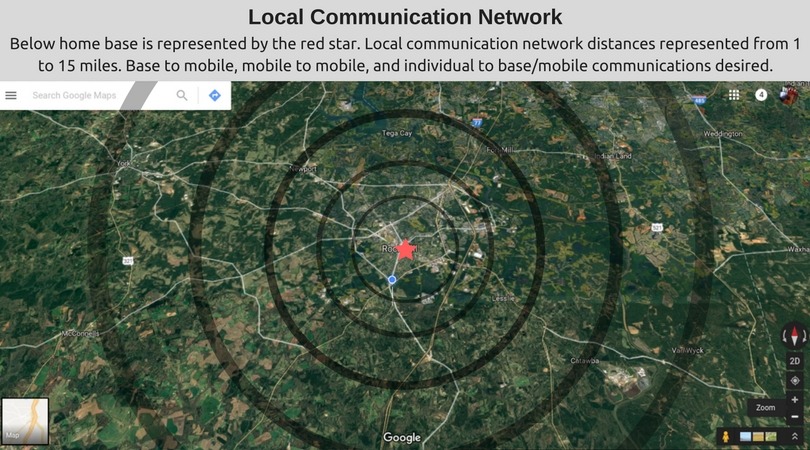
    Articles on SHTF communications often dive right into super expensive systems allowing communication across the country – or the world. In my own personal efforts, I have been working on trying to set up a system for what I would refer to as a “local” communications network for my group. Ideally, we are talking 20 miles and less.

    Many may hear this goal and consider it meager – “Hey – just connect to a Ham repeater.” While using a Ham repeater will allow 20 miles and much more I am looking for reliable independent communications. Efforts have been very frustrating and really not for this article. I have had some very good success lately and the retreat is currently set up for upwards of 10+ miles with no repeater. This is excellent for patrolling and inbound members. Longer range is just a matter of time.

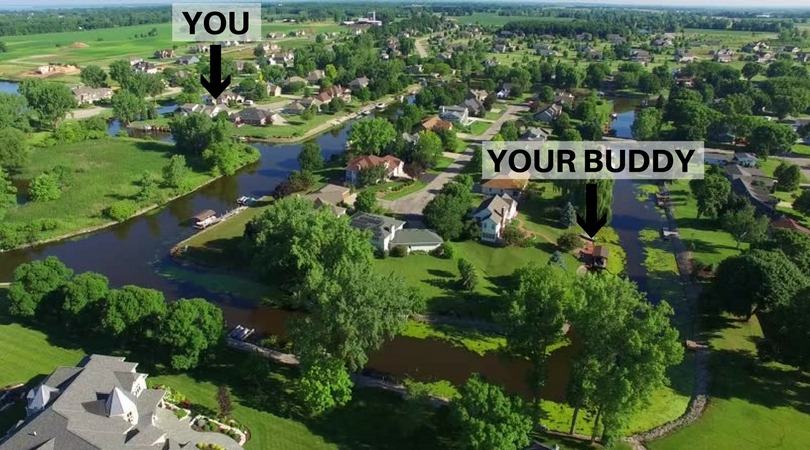
    The purpose of this article is to consider the perspective – in a world filled with cell phones, texting, Facetime, and other means of instant communication – if it disappeared today could you stay in touch with those heading up the street to check on a neighbor? That trip to the store or up the road to see Billy that used to be considered routine and no big deal post-SHTF might not be quite the same.

    SHTF, radio, FRS, GMRS, communications, prepper, preparedness

    Although AM/FM and shortwave radios can bring in news and provide valuable information – they are both one-way communication methods which offer limitations.

    Assuming that some form of SHTF situation has occurred – why would person to person communications be important?

    • Assist in finding missing persons and pets.
    • Announce rising flood waters to others in the area.
    • Communicate direction of brush fires.
    • Communicate with others in a hunting party.
    • Perimeter patrols.
    • Tactical operations and movements.
    • Save time and energy to be able to relay information over distance rather than drive or walk to those you are wanting to communicate with.
    • Warn of impending danger.
    • Communicate observations of people moving through an area.
    • Call of help or assistance while someone is not at home.

    The list could go on and on.

    SHTF, survival, communications, prepper, preparedness, commo, distance

    Some considerations regarding a local communications network include equipping the home with some form of base station, vehicles with mobile units, and people with handheld transceivers(HT). Ideally, all could communicate with each other when within the boundaries of the local network area, however, that is not always possible when independent of any repeating system.

    The exact components I have used and have had success with will come in a later article. Again the point of this article is to get you thinking. How far are you needing(not wanting) to communicate? This is an important question to answer before setting up your system. Know that generally the longer you want to be able to transmit and receive the more expensive it is.

    Rourke