Tag: communication

  • Telegram Channels and Groups – Join Us!

    Telegram Channels and Groups – Join Us!

    I’ve discussed Telegram as a communications tool previously. It continues to rank up there as one of the most secure communication tools available.  With many media platforms and accounts being taken down the ability for like-minded folks to network and communicate online has been challenging at best. Many of us who are Constitutionalists, freedom-loving, traditional in our values, and support the 2nd Amendment are now being called “extremists” by our own government and expelled or censored from many social media platforms. Our ability to freely communicate remains but is certainly diminished.

    For some time I’ve had a Telegram Group where a small number of us get together daily and chat about current events, news, prepping, life, and sometimes what we’ve cooked for dinner. We also exchange digital books, guides, manuals and other items related to preparedness. It should be noted that Telegram was banned for two years in Russia as the government wanted access to user information, however, the owner refused.

    If interested in joining our small Telegram Chat Group – send me an email. I don’t want to publicize the link to join this private group. Email: 1776PatriotUSA ( at ) gmail ( dot ) com. This group discusses a variety of preparedness topics and current events all in real-time. Pretty cool!!

    Telegram can be used on both a computer as well as phones.

    What Is Telegram:

    Telegram is a freeware, cross-platform, cloud-based instant messaging software and service. The application servers of Telegram are distributed worldwide to decrease data load, while the operations center is currently based in Dubai. Along with regular IM, the service has video calling, VoIP, file sharing, and other features.

    No-  it’s not owned by Google, Facebook, or any other supergiant technological conglomerate. If you have any questions or issues joining up comment below and I’ll do what I can to assist.

    Rourke

  • List of Common Radio Frequencies for the Baofeng UV-5R

    List of Common Radio Frequencies for the Baofeng UV-5R

    Communication at the retreat, off the grid, or on the farm is essential and does not have to be extremely expensive or overly complicated.

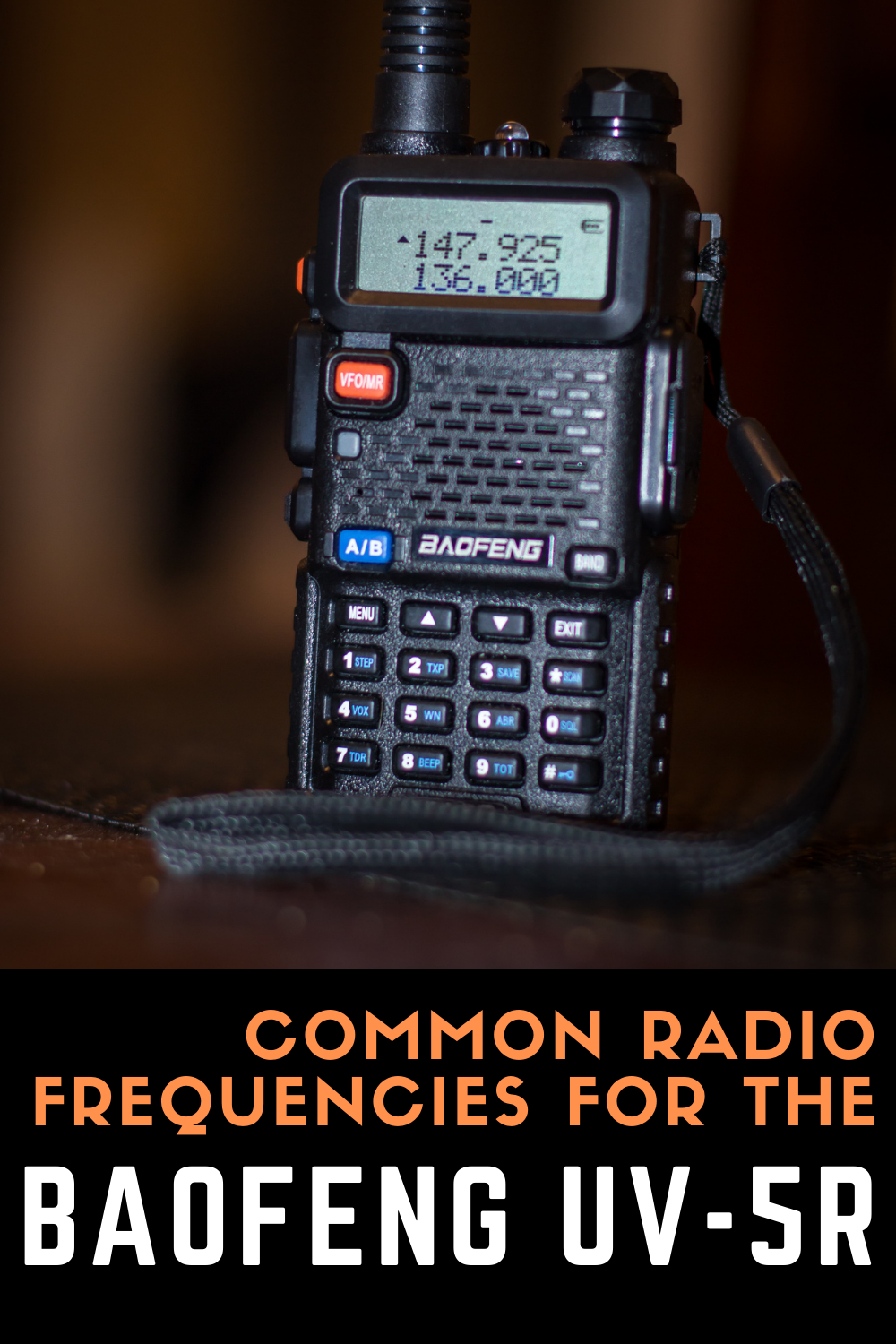
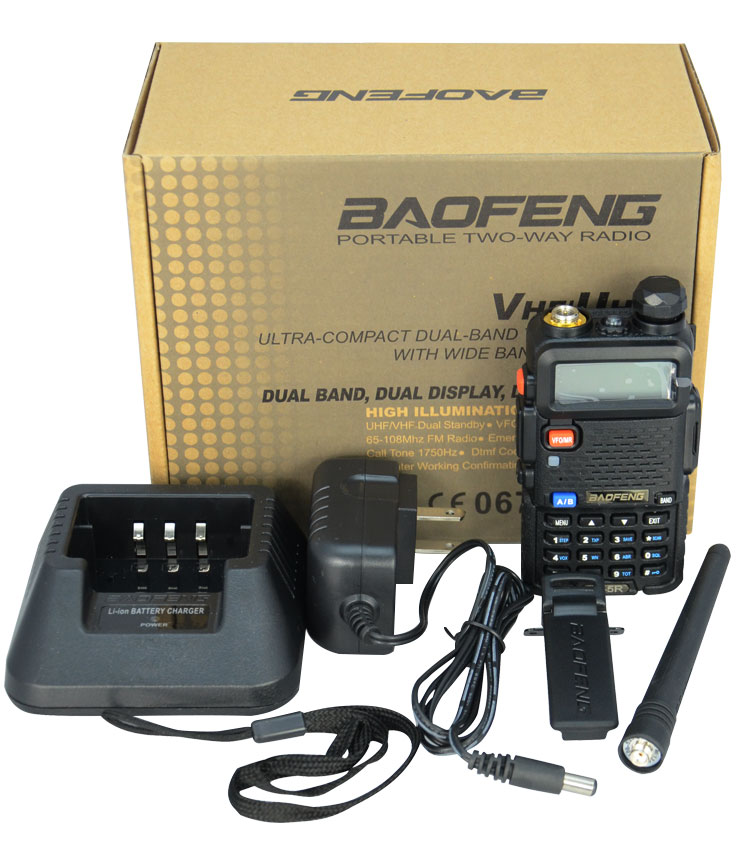
    For less than the cost of a decent dinner out for two people a full-featured short to medium distance communication tool – the Baofeng UV-5R – can be purchased. Extremely popular, the Baofeng is a compact, handheld radio capable of transmitting with 4 watts of power across 136-174 MHz and 400-480 MHz frequencies. It can be programmed with up to 128 channels.

    The Baofeng is a ham radio. Transmitting on this radio requires a license in order to do so legally. There are lots of places on the ‘net to get more information on that. The purpose of this post is to provide an assortment of useful frequencies the Baofeng can be programmed for.

    Did you know the Baofeng also receives FM radio? Pretty cool and useful.

    Did you know the Baofeng has a built-in flashlight? Yeah – pretty neat.

    For the money, the Baofeng UV-5R and similar models are a great deal.


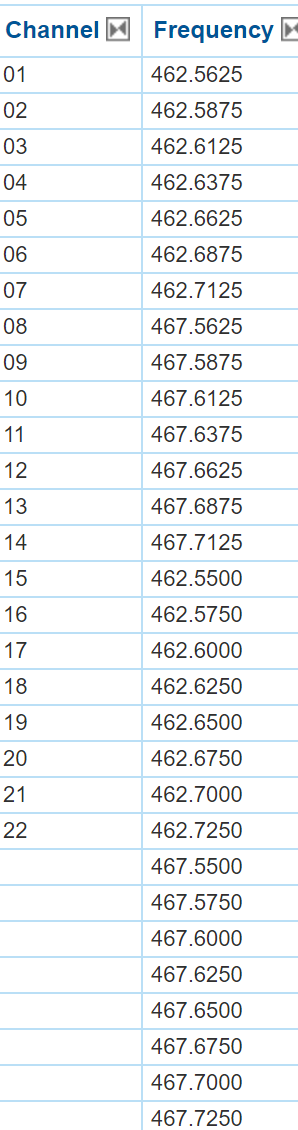
    FRS/GMRS Frequencies 

    frs, gmrs, 2017, frequencies, baofeng,


    MURS Radio Frequencies

    151.820 Mhz
    151.880 Mhz
    151.940 Mhz
    154.570 Mhz
    154.600 Mhz


    NOAA Weather Radio Frequencies

     WX1         --     162.550   
     WX2         --     162.400
     WX3         --     162.475
     WX4         --     162.425
     WX5         --     162.450
     WX6         --     162.500
     WX7         --     162.525


    Commercial “DOT” Frequencies

    151.625 Red Dot
    154.570 Blue Dot
    154.600 Green Dot
    151.955 Purple Dot
    464.550 Yellow Dot
    464.500 Brown Dot
    467.7625 J Dot
    467.8125 KDot
    467.8500 Silver Star
    467.8750 Gold Star
    467.9000 Red Star
    467.9250 Blue Star


    Marine VHF Designated Frequencies
    Channel Number Ship Transmit
    MHz
    Ship Receive
    MHz
    Intended And Designated Use
    01A 156.050 156.050 Port Operations and Commercial, VTS.  Available only in New Orleans / Lower Mississippi area.
    05A 156.250 156.250 Port Operations or VTS in the Houston, New Orleans and Seattle areas.
    06 156.300 156.300 Intership Safety
    07A 156.350 156.350 Commercial
    08 156.400 156.400 Commercial (Intership only)
    09 156.450 156.450 Boater Calling.  Commercial and Non-Commercial.
    10 156.500 156.500 Commercial
    11 156.550 156.550 Commercial.  VTS in selected areas.
    12 156.600 156.600 Port Operations.  VTS in selected areas.
    13 156.650 156.650 Intership Navigation Safety (Bridge-to-bridge).  Ships >20m length maintain a listening watch on this channel in US waters.
    14 156.700 156.700 Port Operations.  VTS in selected areas.
    15 156.750 Environmental (Receive only).  Used by Class C EPIRBs.
    16 156.800 156.800 International Distress, Safety and Calling.  Ships required to carry radio, USCG, and most coast stations maintain a listening watch on this channel.
    17 156.850 156.850 State Control
    18A 156.900 156.900 Commercial
    19A 156.950 156.950 Commercial
    20 157.000 161.600 Port Operations (duplex)
    20A 157.000 157.000 Port Operations
    21A 157.050 157.050 U.S. Coast Guard only
    22A 157.100 157.100 Coast Guard Liaison and Maritime Safety Information Broadcasts.   Broadcasts announced on channel 16.
    23A 157.150 157.150 U.S. Coast Guard only
    24 157.200 161.800 Public Correspondence (Marine Operator)
    25 157.250 161.850 Public Correspondence (Marine Operator)
    26 157.300 161.900 Public Correspondence (Marine Operator)
    27 157.350 161.950 Public Correspondence (Marine Operator)
    28 157.400 162.000 Public Correspondence (Marine Operator)
    63A 156.175 156.175 Port Operations and Commercial, VTS.  Available only in New Orleans / Lower Mississippi  area.
    65A 156.275 156.275 Port Operations
    66A 156.325 156.325 Port Operations
    67 156.375 156.375 Commercial.  Used for Bridge-to-bridge communications in lower Mississippi River.  Intership only.
    68 156.425 156.425 Non-Commercial
    69 156.475 156.475 Non-Commercial
    70 156.525 156.525 Digital Selective Calling (voice communications not allowed)
    71 156.575 156.575 Non-Commercial
    72 156.625 156.625 Non-Commercial (Intership only)
    73 156.675 156.675 Port Operations
    74 156.725 156.725 Port Operations
    77 156.875 156.875 Port Operations (Intership only)
    78A 156.925 156.925 Non-Commercial
    79A 156.975 156.975 Commercial.  Non-Commercial in Great Lakes only
    80A 157.025 157.025 Commercial.  Non-Commercial in Great Lakes only
    81A 157.075 157.075 U.S. Government only – Environmental protection operations.
    82A 157.125 157.125 U.S. Government only
    83A 157.175 157.175 U.S. Coast Guard only
    84 157.225 161.825 Public Correspondence (Marine Operator)
    85 157.275 161.875 Public Correspondence (Marine Operator)
    86 157.325 161.925 Public Correspondence (Marine Operator)
    87 157.375 161.975 Public Correspondence (Marine Operator)
    AIS 1 161.975 161.975 Automatic Identification System #1 (AIS) – Special equipment required!
    88 157.425 162.025 Public Correspondence only near Canadian border.
    AIS 2 162.025 162.025 Automatic Identification System #2 (AIS) – Special equipment required!
    88A 157.425 157.425 Commercial, Intership only.


    tactical, shooting, deals, save money, prepping, ammunition, firearms, daily deals


  • VIDEO:  Baofeng For Dummies UV5R+ HAM Radio Tutorial

    VIDEO: Baofeng For Dummies UV5R+ HAM Radio Tutorial

    Over the past few years, there have been numerous questions and requests pertaining to the “preppers radio” – the Baofeng UV-5R(and its siblings). The video below offers up some great insight and explanation.

    The featured radio in the video is the Baofeng UV-5RA – which is cosmetically different than the regular UV-5R, but, operates basically the same. There are some higher power radios available from Baofeng as well.

    Enjoy!


  • Grid Down Communications: Satellite Text Communications

    Grid Down Communications: Satellite Text Communications


    EMP – electromagnetic pulse. Opinions vary as to how extensive damage to our nation’s infrastructure would be should this unfortunate event occur. The overall consensus is somewhere between serious and catastrophic. One area when considering the effects of EMP is communication. Most agree that cell phones, the Internet, and even landlines will be rendered inoperable. While short-distance communication can be covered with protected standard walkie-talkies, CB radio, and ham radio – reliable long-distance communication is very difficult. When I say reliable – I am referring the ability to reach family and loved ones 1,200 miles away days after and be able to share information.

    Imagine this scenario:

    You have a daughter several states away at college. You have discussed preparedness with her. You have pre-staged some supplies and even have a close friend nearby that she is to go to should something occur.

    On Tuesday while at work the power goes out. Probably just some utility work or a branch fell, right? You pull out your cell phone to use the flashlight and find it inoperable. “Could this be…..err……” You get up and go to the window and look outside and see cars on the busy street down below not moving. People have their hoods up and you see a lot of shrugs and head shaking. “EMP”

    Your mind goes straight to Kelly. 

    Where is she? How will she get to Sheila’s and Jerry’s? Is she ok? How can you contact her?

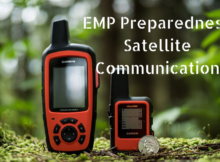
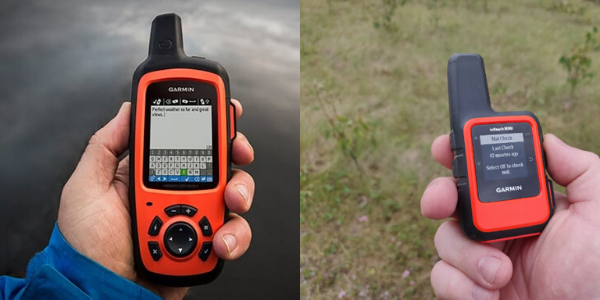
    One solution is satellite communication. While sat phones are available they are very costly and for most people not realistic. Another form of satellite communication is a text-based device. There are numerous models on the market that allow texts to be sent from one device to another from virtually anywhere in the world. While like satellite phones a subscription plan is required it is much less expensive.

    In doing research on this topic I could find no absolute proof on how well satellite communication can withstand an EMP. Satellites are well guarded against solar flares. Ground-based operations have emergency power systems that may or may not work after an EMP. Like many things regarding EMP we won’t know for sure until it happens. In my mind – and planning – the best case for me is an additional two weeks of communication after an EMP event.

    Two weeks. Think about that. How valuable would two weeks be? Extremely. Even a couple of days which to communicate with someone to plan a rendezvous or to know they are safe.

    The two text-based satellite communication devices I’ve identified as the absolute best option are both made by Garmin:

    sat comms, satellite, communication, EMP, SHTF, prepper

    Garmin inReach Mini

    Garmin inReach Explorer+

    One of the main reasons I have targeted these two is their use of the Iridium Satellite network. The Iridium network offers the highest level of connectivity wherever you are in the world. You can follow either of the links above to check out prices and features for each one.

    I hope within the next month or so to provide a hands-on review of one or both of them.

    Well, another option could be two tin cans and A LOT of string.

    Rourke

  • Programming the Baofeng UV-5R for Common Frequencies

    Programming the Baofeng UV-5R for Common Frequencies


    The Baofeng UV-5R and similar radios are very useful tools. It’s a compact, handheld radio capable of transmitting with 4 watts of power across 136-174 MHz and 400-480 MHz frequencies. It can be programmed with up to 128 channels. They can receive and transmit a variety of frequencies including those used by weather radios and the often purchased walkie-talkies found at Wal-Mart. Their capability is actually much more and this article will provide instructions on how to manually program the popular Baofeng UV-5R for many common frequencies.

    [Disclaimer: You are required to obtain a license to transmit on these devices and punishment for doing so without a liscence can range from fines to having your bottom lip pulled over to the back of your head. You’ve been informed and warned.]

    Baofeng, survival, communications, prepper, preparedness

    While the frequency can be entered in the Baofeng UV-5R and similar radio’s by just punching in numbers it is also possible to save it as a channel for easy access at any time(see below).

    Manual Programming the Baofeng UV-5R

    • Step 1. Press [VFO/MR] and enter Frequency Mode.


    • Step 2. Press [A/B] and choose the A-Side (upper display).
      The A side must be used to program channels into the radio.


    • Step 3. Press [BAND] for the frequency band.
      Toggle [BAND] to choose 136 MHz (VHF) – or 400 Mhz(UHF). Choose the right band based on your desired channel frequency.
      If this is not performed correctly the radio will cancel the operation after entering the frequency in Step 5.


    • Step 4. Disable TDR (Dual Watch/Dual Standby).
      Press [MENU] 7 [MENU] [press up/down arrow keys] OFF [MENU] [EXIT]


    • Step 5. Enter the frequency.
      Using the keypad, enter the frequency into the radio.


    • Step 6. Assign the frequency to a channel.
      [MENU] 27 [MENU] [enter channel number XXX] [MENU] [EXIT]

    That’s it. Programming frequencies via software is easier and more flexible. That’s for another post at a later date.

    Now – go grab your Baofeng UV-5R and give it a shot…….


    Common Frequencies for the Baofeng UV-5R

    FRS/GMRS Frequencies 

    frs, gmrs, 2017, frequencies, baofeng,


    MURS Radio Frequencies

    151.820 Mhz
    151.880 Mhz
    151.940 Mhz
    154.570 Mhz
    154.600 Mhz


    NOAA Weather Radio Frequencies

     WX1         --     162.550   
     WX2         --     162.400
     WX3         --     162.475
     WX4         --     162.425
     WX5         --     162.450
     WX6         --     162.500
     WX7         --     162.525


    Commercial “DOT” Frequencies

    151.625 Red Dot
    154.570 Blue Dot
    154.600 Green Dot
    151.955 Purple Dot
    464.550 Yellow Dot
    464.500 Brown Dot
    467.7625 J Dot
    467.8125 KDot
    467.8500 Silver Star
    467.8750 Gold Star
    467.9000 Red Star
    467.9250 Blue Star


    Marine VHF Designated Frequencies
    Channel Number Ship Transmit
    MHz
    Ship Receive
    MHz
    Intended And Designated Use
    01A 156.050 156.050 Port Operations and Commercial, VTS.  Available only in New Orleans / Lower Mississippi area.
    05A 156.250 156.250 Port Operations or VTS in the Houston, New Orleans and Seattle areas.
    06 156.300 156.300 Intership Safety
    07A 156.350 156.350 Commercial
    08 156.400 156.400 Commercial (Intership only)
    09 156.450 156.450 Boater Calling.  Commercial and Non-Commercial.
    10 156.500 156.500 Commercial
    11 156.550 156.550 Commercial.  VTS in selected areas.
    12 156.600 156.600 Port Operations.  VTS in selected areas.
    13 156.650 156.650 Intership Navigation Safety (Bridge-to-bridge).  Ships >20m length maintain a listening watch on this channel in US waters.
    14 156.700 156.700 Port Operations.  VTS in selected areas.
    15 156.750 Environmental (Receive only).  Used by Class C EPIRBs.
    16 156.800 156.800 International Distress, Safety and Calling.  Ships required to carry radio, USCG, and most coast stations maintain a listening watch on this channel.
    17 156.850 156.850 State Control
    18A 156.900 156.900 Commercial
    19A 156.950 156.950 Commercial
    20 157.000 161.600 Port Operations (duplex)
    20A 157.000 157.000 Port Operations
    21A 157.050 157.050 U.S. Coast Guard only
    22A 157.100 157.100 Coast Guard Liaison and Maritime Safety Information Broadcasts.   Broadcasts announced on channel 16.
    23A 157.150 157.150 U.S. Coast Guard only
    24 157.200 161.800 Public Correspondence (Marine Operator)
    25 157.250 161.850 Public Correspondence (Marine Operator)
    26 157.300 161.900 Public Correspondence (Marine Operator)
    27 157.350 161.950 Public Correspondence (Marine Operator)
    28 157.400 162.000 Public Correspondence (Marine Operator)
    63A 156.175 156.175 Port Operations and Commercial, VTS.  Available only in New Orleans / Lower Mississippi  area.
    65A 156.275 156.275 Port Operations
    66A 156.325 156.325 Port Operations
    67 156.375 156.375 Commercial.  Used for Bridge-to-bridge communications in lower Mississippi River.  Intership only.
    68 156.425 156.425 Non-Commercial
    69 156.475 156.475 Non-Commercial
    70 156.525 156.525 Digital Selective Calling (voice communications not allowed)
    71 156.575 156.575 Non-Commercial
    72 156.625 156.625 Non-Commercial (Intership only)
    73 156.675 156.675 Port Operations
    74 156.725 156.725 Port Operations
    77 156.875 156.875 Port Operations (Intership only)
    78A 156.925 156.925 Non-Commercial
    79A 156.975 156.975 Commercial.  Non-Commercial in Great Lakes only
    80A 157.025 157.025 Commercial.  Non-Commercial in Great Lakes only
    81A 157.075 157.075 U.S. Government only – Environmental protection operations.
    82A 157.125 157.125 U.S. Government only
    83A 157.175 157.175 U.S. Coast Guard only
    84 157.225 161.825 Public Correspondence (Marine Operator)
    85 157.275 161.875 Public Correspondence (Marine Operator)
    86 157.325 161.925 Public Correspondence (Marine Operator)
    87 157.375 161.975 Public Correspondence (Marine Operator)
    AIS 1 161.975 161.975 Automatic Identification System #1 (AIS) – Special equipment required!
    88 157.425 162.025 Public Correspondence only near Canadian border.
    AIS 2 162.025 162.025 Automatic Identification System #2 (AIS) – Special equipment required!
    88A 157.425 157.425 Commercial, Intership only.


  • Upcoming Ban on Baofeng Radio’s

    Upcoming Ban on Baofeng Radio’s


    Many may not be aware that effective September 20th, 2019 it will be illegal to import or sell the Baofeng UV-5R and similar radio’s. Why? You can head over to ARRL.org and read the specifics.

    What this means is the availability of these inexpensive, versatile and varying quality communication devices may decrease and become difficult to find. While it is widely reported that these radios will suddenly be gone and off the market, I have my doubts. Should supplies decline prices will go up. If you were interested in one of these radios – or twelve – the time to purchase is now.

    Baofeng, ham radio, UV-5R, ban, FCC

    Why is this important?

    As a communication and information gathering tool, these radio’s are high value. They can receive and transmit(with appropriate license) on a variety of frequencies.

    Right now prices are less than $30 per radio. It is my recommendation to stock up on a few of these before prices climb and supplies dry up.

    Visit this link for the best prices on Baofeng radios.

    Rourke

  • The Hand Crank Weather Radio, a Necessity, not a Luxury?

    The Hand Crank Weather Radio, a Necessity, not a Luxury?


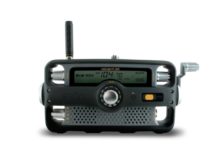
    Looking back at a very useful article published here on 1776PatriotUSA last month (September 13, 2018) entitled Basic Hurricane Preparedness it was mentioned that listening to the radio for weather updates was important. I’d like to take that a little step further and expand upon the importance of the AM/FM radio when the SHTF, whether that would be a weather-related situation or man-made, and particularly those radios that can be charged using a hand crank power generation system.

    Without trying to put a jinx on anyone’s life here, it’s pretty easy to understand how being prepared for an emergency can only be deemed as a positive thing, especially when the reality is that many emergency situations can occur with little or no advance warning.

    When these situations do arise though, a radio will be the most reliable means of gathering up-to-date information about what’s going on, what and what not to do, and where’s safe and where’s not safe to go.

    So, in the interest of being prepared for the worst that life can throw at you, let’s take a look at some tips for finding the best and most dependable radios for when disaster strikes!

    Why a hand crank rather than a standard radio?

    First of all, any AM/FM radio will be better than having no radio at all, and that’s a fact, but what will you do when your radio only uses mains electricity and the power goes down, which is highly likely no matter what the crisis?

    In all fairness, most modern radios also use batteries of one kind or another as well as mains electricity, but once those batteries are flat and your emergency stash has gone, what then?

    In this scenario, the sensible option is a hand crank radio which will continue to provide you with access to emergency broadcasts and other any vital information without being connected to the grid or even the need for batteries.

    Hand crank radios use kinetic energy developed by your own hand movements to power up. That energy is stored as magnetic energy in self-contained lithium-ion batteries or alternatively, a large capacitor.

    Regardless of how the basic science behind hand crank power generation works, hand crank radios are without a doubt invaluable at times when extreme weather strikes, or when other SHTF situations cause long-term power outages. And hand crank power generation isn’t just isolated to emergency radios either, it is during these times of grid disruption that you’ll also be grateful that you’ve put your faith in a few trusty hand crank lanterns and flashlights too for good measure!

    What should you look for in a hand crank radio?

    Hand crank radios, as with any other types of radio, come in many shapes and sizes, and they can also be quite diverse in terms of their overall cost.

    As with making any purchase related to your personal safety, performance should always be the key element in your decision-making process, especially when talking about equipment your life could depend upon.

    Here are a few pointers as to what to look for when choosing a hand crank radio:

    1. Check your budget. If budget isn’t an issue for you, you should always bear in mind that quite often the best performing radio isn’t necessarily the most expensive one on the shelf! Hand crank radios can set you back anything up to $100 but there are plenty of really good radios that can be purchased for under $50, it all depends on how many bells and whistles you want with your radio! Which leads me very nicely into…
    2. Make sure your radio has support for VHF and the NOAA frequencies. The radios you consider should all have the Public Alert logo and/or the NOAA NWR All Hazards logo. I haven’t mentioned it enough here but your radio NEEDS to be a weather radio. In reality, you are more likely to put your emergency radio to use during a weather disaster than you would during an EMP attack for example, so NOAA functionality is a given!
    3. They are not very common, but make sure the radios you are checking out are able to store electrical energy and not just allow you to generate it. Battery powered hand crank radios should have additional backups such as solar cells, electronic capacitors or mechanisms that store the momentum of your cranking movements to prolong the electrical power that they generate.
    4. Portability and a user-friendly design should also be high on your list. Your radio should be compact, easy to use and handy. It should also be able to withstand just about anything that mother nature would throw at it during a weather emergency.

    If you follow these steps they should help you track down the most suitable hand crank emergency weather radio for your needs and your budget.

    …………………………………………………………………………

    Article kindly provided by Danny Major owner of Alpha Survivalist
  • List of Common Radio Frequencies for the Baofeng UV-5R

    List of Common Radio Frequencies for the Baofeng UV-5R


    Communication at the retreat, off the grid, or on the farm is essential and does not have to be extremely expensive or overly complicated.

    For less than the cost of a decent dinner out for two people a full-featured short to medium distance communication tool – the Baofeng UV-5R – can be purchased. Extremely popular, the Baofeng is a compact, handheld radio capable of transmitting with 4 watts of power across 136-174 MHz and 400-480 MHz frequencies. It can be programmed with up to 128 channels.

    The Baofeng is a ham radio. Transmitting on this radio requires a license in order to do so legally. There are lots of places on the ‘net to get more information on that. The purpose of this post is to provide an assortment of useful frequencies the Baofeng can be programmed for.

    Did you know the Baofeng also receives FM radio? Pretty cool and useful.

    For the money, the Baofeng UV-5R and similar models are a great deal.


    FRS/GMRS Frequencies 

    frs, gmrs, 2017, frequencies, baofeng,


    MURS Radio Frequencies

    151.820 Mhz
    151.880 Mhz
    151.940 Mhz
    154.570 Mhz
    154.600 Mhz


    NOAA Weather Radio Frequencies

     WX1         --     162.550   
     WX2         --     162.400
     WX3         --     162.475
     WX4         --     162.425
     WX5         --     162.450
     WX6         --     162.500
     WX7         --     162.525


    Commercial “DOT” Frequencies

    151.625 Red Dot
    154.570 Blue Dot
    154.600 Green Dot
    151.955 Purple Dot
    464.550 Yellow Dot
    464.500 Brown Dot
    467.7625 J Dot
    467.8125 KDot
    467.8500 Silver Star
    467.8750 Gold Star
    467.9000 Red Star
    467.9250 Blue Star


    Marine VHF Designated Frequencies
    Channel Number Ship Transmit
    MHz
    Ship Receive
    MHz
    Intended And Designated Use
    01A 156.050 156.050 Port Operations and Commercial, VTS.  Available only in New Orleans / Lower Mississippi area.
    05A 156.250 156.250 Port Operations or VTS in the Houston, New Orleans and Seattle areas.
    06 156.300 156.300 Intership Safety
    07A 156.350 156.350 Commercial
    08 156.400 156.400 Commercial (Intership only)
    09 156.450 156.450 Boater Calling.  Commercial and Non-Commercial.
    10 156.500 156.500 Commercial
    11 156.550 156.550 Commercial.  VTS in selected areas.
    12 156.600 156.600 Port Operations.  VTS in selected areas.
    13 156.650 156.650 Intership Navigation Safety (Bridge-to-bridge).  Ships >20m length maintain a listening watch on this channel in US waters.
    14 156.700 156.700 Port Operations.  VTS in selected areas.
    15 156.750 Environmental (Receive only).  Used by Class C EPIRBs.
    16 156.800 156.800 International Distress, Safety and Calling.  Ships required to carry radio, USCG, and most coast stations maintain a listening watch on this channel.
    17 156.850 156.850 State Control
    18A 156.900 156.900 Commercial
    19A 156.950 156.950 Commercial
    20 157.000 161.600 Port Operations (duplex)
    20A 157.000 157.000 Port Operations
    21A 157.050 157.050 U.S. Coast Guard only
    22A 157.100 157.100 Coast Guard Liaison and Maritime Safety Information Broadcasts.   Broadcasts announced on channel 16.
    23A 157.150 157.150 U.S. Coast Guard only
    24 157.200 161.800 Public Correspondence (Marine Operator)
    25 157.250 161.850 Public Correspondence (Marine Operator)
    26 157.300 161.900 Public Correspondence (Marine Operator)
    27 157.350 161.950 Public Correspondence (Marine Operator)
    28 157.400 162.000 Public Correspondence (Marine Operator)
    63A 156.175 156.175 Port Operations and Commercial, VTS.  Available only in New Orleans / Lower Mississippi  area.
    65A 156.275 156.275 Port Operations
    66A 156.325 156.325 Port Operations
    67 156.375 156.375 Commercial.  Used for Bridge-to-bridge communications in lower Mississippi River.  Intership only.
    68 156.425 156.425 Non-Commercial
    69 156.475 156.475 Non-Commercial
    70 156.525 156.525 Digital Selective Calling (voice communications not allowed)
    71 156.575 156.575 Non-Commercial
    72 156.625 156.625 Non-Commercial (Intership only)
    73 156.675 156.675 Port Operations
    74 156.725 156.725 Port Operations
    77 156.875 156.875 Port Operations (Intership only)
    78A 156.925 156.925 Non-Commercial
    79A 156.975 156.975 Commercial.  Non-Commercial in Great Lakes only
    80A 157.025 157.025 Commercial.  Non-Commercial in Great Lakes only
    81A 157.075 157.075 U.S. Government only – Environmental protection operations.
    82A 157.125 157.125 U.S. Government only
    83A 157.175 157.175 U.S. Coast Guard only
    84 157.225 161.825 Public Correspondence (Marine Operator)
    85 157.275 161.875 Public Correspondence (Marine Operator)
    86 157.325 161.925 Public Correspondence (Marine Operator)
    87 157.375 161.975 Public Correspondence (Marine Operator)
    AIS 1 161.975 161.975 Automatic Identification System #1 (AIS) – Special equipment required!
    88 157.425 162.025 Public Correspondence only near Canadian border.
    AIS 2 162.025 162.025 Automatic Identification System #2 (AIS) – Special equipment required!
    88A 157.425 157.425 Commercial, Intership only.


    If you have enjoyed this article and would like to receive email notifications when new posts are published – feel free to subscribe for email updates. No SPAM will be sent to you.

      *    *    *    *    *    *    *    *    *    *    *

    From the Supply Depot: RECOMMENDED MOVIES

    Red Dawn(1984) – a classic.

    The Revenant

    THEM – a classic monster flick from the 50’s. Love this movie.

    The 5th Wave

    The Last Ship – TV series

    *    *    *    *    *    *    *    *    *    *    *

    Looking for Preparedness Supplies? Check out the Fantastic Monthly Sale at Emergency Essentials.

    Emergency Essentials has been an industry leader for over 25 years. Excellent service and prices have kept them leader of the pack.

    728x90june2016 (1)

    From food storage products to camping supplies Emergency Essentials carries it all.

    *    *    *    *    *    *    *    *    *    *    *

    Need clean water? 

    sp128-sawyer-mini-water-filtration 

  • The Ultimate Retreat Communication System

    The Ultimate Retreat Communication System

    Communications after the SHTF within several miles around a retreat – or even your neighborhood – can range from easy to almost impossible. Terrain plays a big role and of course the type of devices being used to communicate. I was sent a link to a new product soon to be released that may provide an inexpensive but extremely powerful area communications solution.

    commo, grid, communications, SHTF, prepper, preparedness

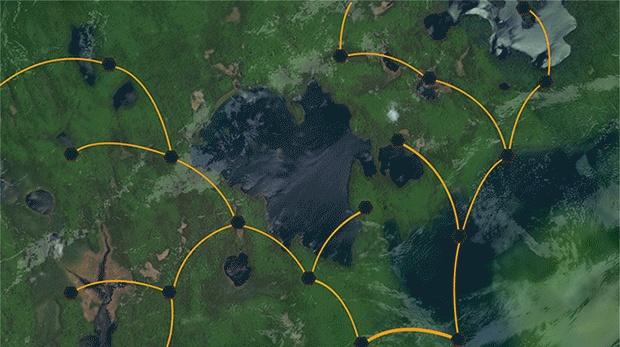
    The Sonnet allows for a connection grid to be set up over a fairly large area – as in miles – and provide voice, text, and multimedia communications using smartphones. With a communications grid accessible over several square miles consider the possibilities:

    • Sending pictures
    • Sending audio messages
    • Sending video
    • Sending files
    • Communicating via voice
    • Communicating via video-to-video

    I hope the Sonnett system works as well as this video suggests.


    Visit https://tinyurl.com/ycu87sus for more information.